The best devotionals for children make Bible reading approachable, consistent, and relevant to everyday family life. This roundup compares 10 options for preschoolers, elementary-age children, tweens, and kids who benefit from creative or anxiety-focused activities.
Use the guide below to match each child’s age, reading ability, interests, and spiritual needs with a devotional format they are likely to enjoy and use regularly.
Best 10 Devotionals for Children Picks for 2026
Best for Peace-Focused Faith Building
Jesus Calling: 365 Devotions For Kids

- 365 daily readings centered on peace and encouragement
- Written as if Jesus is speaking directly to children
- Suitable for ages 6–12 and family discussion
Best For: Children and tweens who appreciate comforting, Scripture-based reflections
Best for Preschool Bedtime Reading
The One Year Devotions for Preschoolers

- 365 simple readings for young children
- Features illustrations, Bible verses, and rhyming prayers
- Designed for shared reading and bedtime routines
Best For: Preschoolers ages 3–6 learning basic truths from Scripture
Best for Interactive Bible-in-a-Year Learning
The Bible Recap Kids' Devotional

- Follows a 365-day chronological Bible plan
- Includes puzzles, coloring, and other activities
- Works for individual or family Scripture reading
Best For: Children ages 6+ and families building a structured Bible-reading habit
Best for Courage Through Everyday Challenges
Roar Like a Lion: 90 Devotions to a Courageous Faith

- 90 devotions focused on courage and faith
- Addresses fear, friendship, bullying, and peer pressure
- Adds prayers, art, and practical action steps
Best For: Children ages 6–10 facing everyday fears and challenges
Best Daily Pick

- 365 short devotional moments
- Kid-friendly Bible verses and illustrations
- Designed for ages 6–10
Best For: Families building a simple daily devotional habit
Best Interactive Choice

- 60 devotions with doodling activities
- Covers both Old and New Testaments
- Thick paper for art supplies
Best For: Creative children who learn through drawing and written responses
Best for Preteen Girls
The Illustrated Devotional for Girls

- 366 dated faith-filled devotions
- Scripture illustrations to color
- Includes closing prayer prompts
Best For: Girls ages 8–12 who enjoy coloring and reflection
Best Trust-Building Pick

- 100 short devotions about trusting God
- Supports children facing worries and challenges
- Colorful hardcover with ribbon bookmark
Best For: Children ages 6–10 who need reassurance and faith-based encouragement
Best Tween-Girl Pick

- 52 weekly Scripture-based devotions
- Addresses friendships, identity, and social media
- Full-color design with reflection prompts
Best For: Girls ages 10–12 beginning a regular devotional habit
Best for Anxious Days
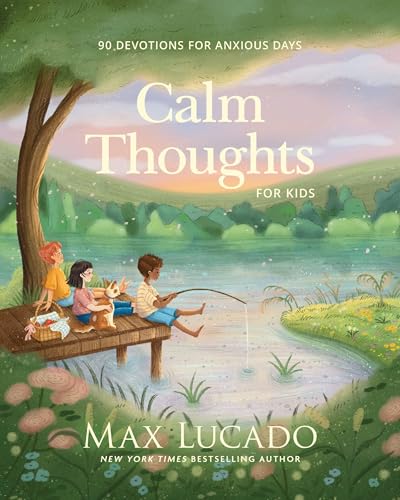
- 90 devotions focused on worry and fear
- Includes verses, artwork, and calming practices
- Designed to encourage parent-child conversations
Best For: Children ages 6–9 facing anxious thoughts or changes related to worry
Best for Peace-Focused Faith Building – Jesus Calling: 365 Devotions For Kids
For families seeking devotionals for children ages 6 to 12, Jesus Calling: 365 Devotions for Kids offers a full year of short readings centered on peace, encouragement, and Scripture. Its first-person style presents each message as if Jesus is speaking directly to the child, making it a comforting option for personal or family devotional time.
Best For: Children and tweens who benefit from reassurance, gentle guidance, and daily faith-building reflections.
Pros:
- Includes 365 daily devotions for year-round use.
- Focuses on peace, hope, encouragement, and Jesus’ love.
- Pairs reflections with Scripture verses and opportunities to meditate on God’s Word.
- Can support family discussions alongside the adult edition.
Cons:
- The first-person devotional format may not suit every family’s preferred reading style.
- Its emphasis is on reflection and encouragement rather than interactive activities.
Choose this devotional when a calm, relationship-centered approach matters more than games or structured worksheets. It is especially practical for families wanting a consistent daily reading routine for elementary-age children and tweens.
Best for Preschool Bedtime Reading – The One Year Devotions for Preschoolers
The One Year Devotions for Preschoolers is a welcoming choice for families shopping for devotionals for children ages 3 to 6. Each of its 365 readings combines a simple Bible verse, an easy devotional thought, a Little Blessings illustration, and a rhyming prayer, making it well suited to short shared reading sessions.
Best For: Preschoolers and toddlers who enjoy illustrated, read-aloud devotionals, especially at bedtime.
Pros:
- Provides 365 easy-to-understand daily devotions.
- Includes illustrations on every page to support young listeners.
- Combines a Bible verse, devotional thought, and rhyming prayer.
- Encourages parent-child conversation about simple truths from Scripture.
Cons:
- The simple format is designed for preschoolers and may feel too basic for older children.
- It is primarily a read-aloud resource rather than an independent reading book.
For young children, the short readings and rhyming prayers make daily devotional time approachable and predictable. This is a particularly practical pick when illustrations and parental participation are central to the routine.
Best for Interactive Bible-in-a-Year Learning – The Bible Recap Kids' Devotional
Families looking for devotionals for children that cover the whole Bible may prefer The Bible Recap Kids’ Devotional. Designed for ages 6 and up, it follows a 365-day chronological reading plan from Genesis through Revelation and adds activities such as word puzzles and coloring pages to reinforce key ideas.
Best For: Children and families who want a structured, interactive way to read and discuss Scripture throughout the year.
Pros:
- Follows a 365-day chronological Bible reading plan.
- Covers the biblical story from Genesis through Revelation.
- Includes word puzzles, coloring pages, and other reinforcing activities.
- Works for independent reading or family use and can accompany any print or audio Bible.
Cons:
- At 480 pages, it is a substantial book for younger children.
- Its chronological reading-plan format may require more family structure than a short standalone devotion.
This is a strong option when the goal is not only daily reflection but also developing familiarity with the entire Bible. The built-in activities can help homeschooling, Sunday school, and family routines stay engaging.
Best for Courage Through Everyday Challenges – Roar Like a Lion: 90 Devotions to a Courageous Faith
Roar Like a Lion stands out among devotionals for children by addressing practical concerns such as fear, peer pressure, bullying, disappointment, and change. Its 90 daily entries for ages 6 to 10 combine stories and facts with Bible verses, prayers, eye-catching art, and simple action steps.
Best For: Children who need relatable, faith-based encouragement for handling fears and everyday challenges.
Pros:
- Offers 90 focused devotional readings rather than a full year of entries.
- Addresses school, friendship, peer pressure, bullying, and other real-life issues.
- Combines Scripture and prayer with practical action steps.
- Can prompt meaningful family discussions.
Cons:
- Provides 90 days of content, not a 365-day devotional plan.
- Its focus on challenges and courage may be less suitable for families seeking only gentle, general reflections.
Consider this book when your child responds well to direct, practical guidance and wants faith connected to real situations. The shorter format also makes it a manageable starting point for establishing a devotional habit.
Best Daily Pick – Our Daily Bread for Kids
For families seeking devotionals for children ages 6–10, Our Daily Bread for Kids offers a simple daily routine with short readings, Bible verses, illustrations, and facts. Its bite-size format is designed to help children connect biblical ideas with everyday life.
Best For: Children who benefit from a traditional, guided daily devotional with brief, engaging entries.
Pros:
- Includes 365 daily devotional moments.
- Uses kid-friendly language, illustrations, and easy-to-remember Bible verses.
- Encourages children to apply Scripture to everyday situations.
- Designed specifically for children ages 6–10.
Cons:
- Its reading-centered format may be less interactive than coloring or activity-based devotionals.
- The 384-page hardcover-style volume is heavier than some compact options.
Choose this book when consistency and simplicity matter most. It provides a full year of structured devotional content without making each session feel lengthy or demanding.
Best Interactive Choice – Doodle Devotions for Kids
Doodle Devotions for Kids stands out among devotionals for children by inviting them to write, draw, and respond as they read. Its 60 entries cover stories and lessons from both the Old and New Testaments, making the devotional experience more hands-on.
Best For: Creative children ages 6–10 who enjoy drawing, coloring, and recording personal responses.
Pros:
- Combines 60 devotions with doodling activities.
- Covers topics from across the Old and New Testaments.
- Thick paper accommodates colored pencils, crayons, and markers.
- Includes space for children to respond to each devotional thought.
Cons:
- Provides 60 devotions rather than a full year of daily readings.
- The interactive format may appeal less to children who prefer straightforward reading.
This is a practical pick when engagement is the priority. The activity-based design gives children a tangible way to interact with biblical stories instead of only reading about them.
Best for Preteen Girls – The Illustrated Devotional for Girls
For girls ages 8–12, The Illustrated Devotional for Girls combines a dated daily reading with creative coloring. Each entry includes a short faith-focused devotional, a Scripture-based illustration, and a closing prayer prompt, creating a structured option among devotionals for children.
Best For: Preteen girls who enjoy coloring and want a devotional covering faith, relationships, and practical life topics.
Pros:
- Includes 366 dated devotionals, including leap-year coverage.
- Pairs each reading with a Scripture-based coloring illustration.
- Ends entries with a prayer prompt.
- Thick white paper is designed to reduce color bleed-through.
Cons:
- Its pink, floral, and silver-foiled design is specifically styled for girls.
- The coloring format requires more time and supplies than a reading-only devotional.
This book is a strong fit for a girl who enjoys creative activities and appreciates a dated routine. Its full-year format and prayer prompts make it easy to use consistently while encouraging personal reflection.
Best Trust-Building Pick – You Can Count on God
For families seeking devotionals for children ages 6 to 10, You Can Count on God offers 100 brief, reassuring readings focused on God’s faithfulness. Each entry combines a Bible verse, kid-friendly teaching, and a takeaway such as a reflection question or prayer.
Best For: Children who need encouragement with worries, new challenges, loneliness, or disappointment, whether reading independently or with family.
Pros:
- Includes 100 short devotions for flexible daily use.
- Addresses worry, courage, trust, and common childhood challenges.
- Features colorful interiors, a textured hardcover, ribbon bookmark, and presentation page.
Cons:
- The focus is primarily on God’s faithfulness rather than a broad range of devotional themes.
- The listed reading range may suit younger children better than older tweens.
This is a strong choice when the main goal is helping a child develop confidence in God’s dependability. Its short format and built-in reflection prompts also make it practical for shared family reading.
Best Tween-Girl Pick – Preteen Devotional for Girls
Preteen Devotional for Girls: 52 Weeks of Encouraging Devotions and Scripture for Tweens
Check Price On AmazonAmong devotionals for children entering the tween years, Preteen Devotional for Girls provides 52 weekly readings tailored to girls ages 10 to 12. Its conversational approach connects Scripture with concerns such as friendships, self-esteem, privacy, social media, and crushes.
Best For: Preteen girls who want relatable guidance, regular Bible study, and space to reflect on identity, feelings, relationships, and faith.
Pros:
- Offers one devotion per week, creating a manageable routine.
- Covers practical preteen topics alongside Scripture and prayer.
- Uses full-color pages, an approachable tone, and open-ended prompts.
Cons:
- The weekly format provides fewer readings than a daily devotional.
- Its girl-focused themes may not suit every child or family.
This devotional is especially useful for easing a tween into consistent reflection without making Bible study feel overwhelming. The topical organization and prompts encourage conversation as well as personal application.
Best for Anxious Days – Calm Thoughts for Kids
Calm Thoughts for Kids is a focused option for families comparing devotionals for children who struggle with fears or anxious thoughts. Its 90 short readings pair Bible verses, comforting artwork, kid-friendly analogies, and simple practices designed to help children release worries gradually.
Best For: Children ages 6 to 9 experiencing worry, changes in mood, behavior, or sleep, especially when parents want conversation prompts to use together.
Pros:
- Provides 90 days of brief, calming devotional content.
- Includes a quick-reference list of God’s promises.
- Offers questions and practices that can support parent-child conversations.
- Uses comforting artwork and child-friendly explanations.
Cons:
- Its primary emphasis on anxiety may be narrower than a general-purpose devotional.
- The listed reading range is aimed at younger children.
This is the most targeted choice of the three for children who need help naming and processing worries. It works particularly well as a shared read-aloud resource rather than only an independent book.
How We Picked These Devotionals for Children
We focused on devotionals that offer clear Scripture connections, age-appropriate language, practical reflection, and a format children can realistically follow. The selection includes yearlong daily books, shorter 90- or 100-day programs, weekly devotionals, and interactive coloring or activity-based options.
We also considered reading independence, family-read-aloud potential, emotional relevance, and whether each book suits a particular developmental stage. Because children engage with faith differently, variety matters: some prefer concise readings, while others respond better to illustrations, journaling, crafts, or guided discussion.
Quick Comparison
| Best For | Look For | Recommended Format |
|---|---|---|
| Preschoolers | Very short readings and simple concepts | Parent-led daily devotional |
| Early elementary readers | Accessible Scripture and bite-size lessons | 365-day devotional |
| Independent readers | Consistent structure and practical application | Daily devotional with reflection |
| Creative children | Coloring, doodling, or activities | Interactive devotional |
| Preteens | Age-relevant concerns and deeper questions | Weekly or daily tween devotional |
| Anxious children | Calming language and trust-building exercises | Short themed devotional |
Key Buying Factors for Devotionals for Children
Age and Reading Level
Choose a book that matches the child’s vocabulary, attention span, and ability to read independently. Preschool titles generally work best when an adult leads the reading, while older children may prefer private reflection and longer Scripture passages.
Length and Consistency
A 365-day devotional can establish a daily habit, but it is not automatically the best choice. A 90-day or 100-day book may feel more achievable for a child who is new to devotional reading. Weekly formats can also work well for busy families or preteens who need more time to process each topic.
Format and Engagement
Look at how the devotional invites participation. Questions, prayers, coloring, doodling, activities, and family discussion prompts can make the material more memorable. Children who dislike long reading assignments may engage more readily with visual or hands-on pages.
Theme and Emotional Needs
Some books provide broad Bible-based encouragement, while others focus on courage, worry, trust, or calming anxious thoughts. Select a theme that supports the child without treating a devotional as a substitute for professional mental-health care when serious anxiety is present.
Family Involvement
Check whether the book is designed for independent use or shared reading. Family-friendly devotionals can create regular conversation, while independent formats give older children privacy and ownership of their faith routine.
Who Should Buy Which Devotionals for Children?
Parents of preschoolers should prioritize short, simple entries with illustrations and adult guidance. For elementary-age children, a daily devotional with concise readings is a practical choice for building consistency. Children who enjoy art may get more from a coloring or doodle-based format than from a traditional text-heavy book.
Choose a courage-centered devotional for a child facing new challenges or needing encouragement, and consider a worry- or anxiety-focused title when emotional reassurance is the main goal. Preteen girls may prefer a weekly devotional written specifically for tweens, with topics and language that feel closer to their current experiences.
When in doubt, choose the format the child is most likely to open repeatedly. A shorter, engaging book used consistently is more valuable than an ambitious yearlong plan that quickly becomes another abandoned task.