The right capture card can make the difference between a clean, responsive stream and a setup plagued by lag, dropped frames, or confusing compatibility issues. The models in this roundup cover console gaming, PC recording, camera workflows, and professional 4K video.
We compare external USB devices and internal PCIe cards across resolution, refresh rate, HDR support, passthrough, connectivity, and ease of use so you can choose the best fit for your hardware and budget.
Best 10 Capture Cards Picks for 2026
Premium HDMI 2.1 Pick

- 4K144 capture and passthrough
- HDMI 2.1 with VRR passthrough
- Works with major streaming apps
Best For: High-refresh-rate console and PC streaming
Feature-Rich USB Pick
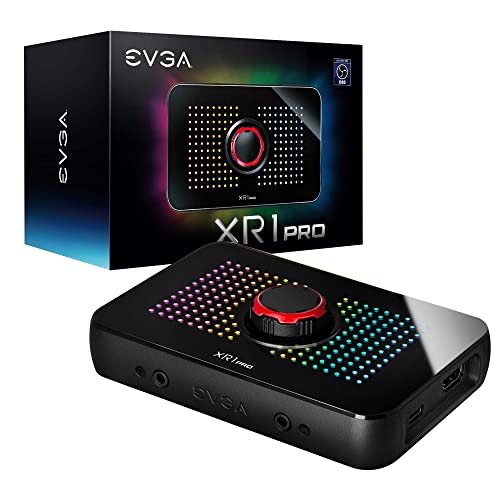
- 1440p60 or 4K30 capture
- 1440p144 and 4K60 HDR passthrough
- Built-in mixer and control dial
Best For: Windows OBS streaming with audio control
Camera Streaming Pick

- Converts camera HDMI to USB
- Supports 1080p60 and 4K workflows
- Compact, low-latency design
Best For: Camera-based livestreaming and video calls
Internal 4K Gaming Pick

- 4K60 HDR10 capture
- High-frame-rate capture up to 240fps
- Zero-lag passthrough for supported consoles
Best For: Windows desktop 4K HDR game capture
Best Budget-Friendly Capture Card

- 1080p60 output with 4K30 input
- Plug-and-play USB-C and USB connectivity
- Works with consoles, cameras, and OBS
Best For: Affordable portable streaming and recording setups
Best Premium Capture Card

- 4K60 video capture
- 1440p120 and 1080p240 passthrough
- HDR10 and analog audio input
Best For: High-end console streaming and high-refresh-rate gaming
Best Versatile Capture Card
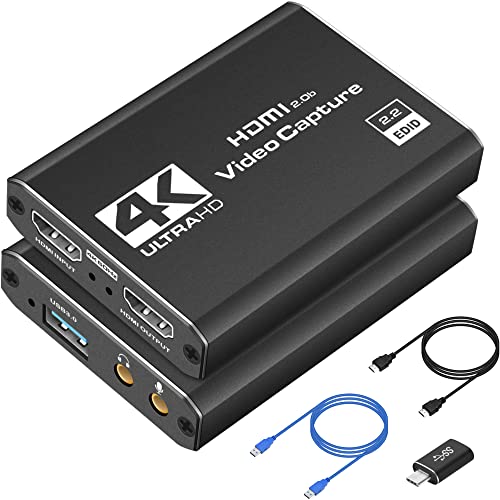
- 1080p60 recording from 4K HDMI sources
- HDMI loop-out for low-delay play
- Compatible with consoles, cameras, and OBS
Best For: Flexible gaming, camera, and streaming setups
HDR Streaming Pick
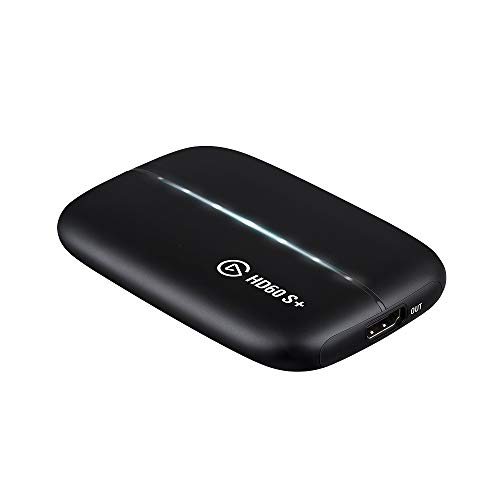
- 1080p60 HDR10 capture
- 4K60 HDR10 zero-lag passthrough
- Windows and macOS support
Best For: HDR-focused console streaming and recording
High-End PC Pick
Elgato 4K Pro Internal Capture Card

- 8K60 passthrough
- 4K60 capture and 1080p240 recording
- HDMI 2.1 and VRR support
Best For: Advanced Windows desktop and dual-PC streaming
Simple 1080p Pick

- 1080p60 capture
- Zero-lag passthrough
- Compact USB external design
Best For: Standard console streaming and recording
Premium HDMI 2.1 Pick – Elgato 4K X
The Elgato 4K X is one of the most advanced capture cards for creators who want high-frame-rate gameplay and flexible streaming. HDMI 2.1, VRR passthrough, HDR10, and USB 3.2 Gen 2 connectivity make it a strong fit for modern consoles and PCs.
Best For: PS5, Xbox Series X, PC, and Mac users who want 4K144 passthrough and high-frame-rate capture.
Pros:
- Supports 4K144 capture and passthrough, with up to 1080p240 capture.
- HDMI 2.1 and VRR passthrough help preserve smooth gameplay.
- Works with OBS, Streamlabs, Twitch Studio, Zoom, Teams, and other apps.
- Ultra-low-latency USB 3.2 Gen 2 connection.
Cons:
- Full performance requires compatible HDMI 2.1 hardware and a USB 3.2 Gen 2 port.
- USB 3.2 Gen 1 reduces the available capture resolution.
- Its advanced features may be more than casual streamers need.
Choose the 4K X if you are building a current-generation gaming setup and want room for high refresh rates. It is particularly compelling for users who prioritize smooth passthrough and broad software compatibility.
Feature-Rich USB Pick – EVGA XR1 Pro
The EVGA XR1 Pro is a practical choice among capture cards for streamers who want HDR passthrough, an integrated audio mixer, and straightforward setup. It captures up to 1440p at 60fps while supporting high-refresh-rate 1440p and 4K HDR passthrough.
Best For: Windows streamers who want OBS certification, HDR passthrough, and hands-on audio controls.
Pros:
- Captures up to 1440p at 60fps or 4K at 30fps.
- Supports 1440p at 144Hz and 4K at 60Hz HDR passthrough.
- Built-in audio mixer and control dial provide convenient adjustments.
- Plug-and-play setup requires no driver installation and includes a two-year warranty.
Cons:
- The supplied platform details list Windows compatibility.
- 4K capture is limited to 30fps.
- Requires a USB 3.1 interface and HDMI-compatible source device.
The XR1 Pro balances useful streaming controls with high-quality passthrough. It makes the most sense for Windows users who value easy OBS integration and want to adjust audio without relying entirely on software controls.
Camera Streaming Pick – Elgato Cam Link 4K
The Elgato Cam Link 4K is designed for turning a compatible DSLR, mirrorless camera, camcorder, action camera, or iPhone into a computer camera. Among capture cards, its compact HDMI-to-USB design makes it especially useful for livestreams, video calls, and field monitoring.
Best For: Creators who want to use a camera for streaming, recording, Zoom, Discord, or iPad monitoring.
Pros:
- Supports 1080p60 and 4K60 workflows with compatible equipment.
- Works with DSLRs, mirrorless cameras, camcorders, action cameras, and iPhone setups.
- Ultra-low latency helps keep video and audio synchronized.
- Compact USB 3.0 design works with PC, Mac, and iPad.
Cons:
- Requires a compatible camera and HDMI output.
- Camera features such as clean HDMI and continuous power are not included with the capture device.
- Its focus is camera input rather than console gameplay capture.
Pick the Cam Link 4K when your main goal is improving camera quality rather than capturing console gameplay. It offers a simple path from HDMI camera output to streaming and conferencing software.
Internal 4K Gaming Pick – AVerMedia Live Gamer 4K
The AVerMedia Live Gamer 4K is an internal PCIe capture card built for Windows gaming PCs. It targets high-end capture cards buyers with 4K60 HDR10 recording, high-frame-rate capture up to 240fps, and zero-lag passthrough for supported consoles.
Best For: Windows desktop gamers and streamers who want internal 4K HDR capture and high-frame-rate recording.
Pros:
- Captures 4K60 HDR10 content with zero-lag passthrough.
- Supports high-frame-rate capture up to 240fps.
- Works with PS5, Xbox Series X/S, OBS, Streamlabs, XSplit, Twitch, and YouTube.
- Includes customizable RGB lighting and a three-year manufacturer warranty.
Cons:
- Requires an available PCI Express x4 slot and a Windows 10 or 11 PC.
- High-resolution HDR capture requires substantial system hardware, including a compatible GPU and 8GB of RAM.
- Not suitable for laptops or Mac-based setups.
The Live Gamer 4K is a strong internal option for a dedicated streaming desktop. Its hardware requirements are considerable, but compatible systems can benefit from 4K HDR capture, high frame rates, and low-latency passthrough.
Best Budget-Friendly Capture Card – Compact 1080p60 USB 3.0 Model
This compact capture card is a practical choice for recording or streaming HDMI video at up to 1080p at 60 frames per second. It supports 4K input at 30Hz, includes USB-C and USB connectivity, and works with software such as OBS Studio, VLC, and Zoom. Note that it is designed for capture rather than direct screen casting to a TV or monitor.
Best For: Casual streamers, online meetings, gameplay recording, and portable setups using a USB 3.0 computer.
Pros:
- Supports up to 1080p at 60Hz output and 4K at 30Hz input.
- Plug-and-play design requires no extra drivers or external power.
- Compatible with Windows, macOS, Linux, Android, consoles, cameras, and common streaming software.
- Compact aluminum-alloy housing is convenient for travel and helps with heat dissipation.
Cons:
- Requires capture software and is not intended for direct HDMI-to-display casting.
- USB 3.0 is recommended; adapters or USB 2.0 connections may limit performance.
- Millisecond-level latency and possible signal loss can occur depending on formats and connections.
This model offers broad compatibility and useful 1080p60 performance in a small package. It is most appealing when affordability, portability, and straightforward software-based capture matter more than advanced passthrough features.
Best Premium Capture Card – Elgato 4K S
The Elgato 4K S is a premium capture card for newer gaming consoles and high-frame-rate workflows. It captures 4K60 video, supports 1440p120 or 1080p240 passthrough, and adds HDR10 support with tone mapping on Windows. Its USB-C connection and analog audio input make it a strong fit for polished gaming broadcasts.
Best For: Serious console streamers and creators using PS5, Xbox Series X/S, or Switch 2 who want high-resolution capture and high-refresh-rate passthrough.
Pros:
- Captures video at 4K60 for detailed recordings.
- Supports 1440p120 and 1080p240 passthrough for high-refresh-rate play.
- HDR10 support with Windows tone mapping helps accommodate HDR content.
- Includes a 3.5mm analog audio input for game chat or commentary.
Cons:
- Requires Windows 11, macOS 13 or later, or compatible iPadOS hardware.
- System requirements include a relatively modern processor, GPU, and USB 3.0 Type-C port.
- Its advanced features may be more than needed for basic 1080p streaming.
With 4K60 capture, HDR10 support, and high-frame-rate passthrough, the 4K S is designed for creators who want a more capable long-term setup. Check your computer and USB-C specifications before buying to ensure full compatibility.
Best Versatile Capture Card – 4K HDMI USB 3.0 Device
This versatile capture card is built for 1080p60 recording from 4K HDMI sources. It offers plug-and-play setup with OBS Studio, Streamlabs, and XSplit, along with compatibility for PS5, Xbox, Nintendo Switch, PCs, and cameras. Its HDMI loop-out and included adapters make it useful for flexible home or mobile streaming configurations.
Best For: New and experienced creators who want easy 1080p60 capture, HDMI passthrough, and broad device compatibility.
Pros:
- Records 1080p video at 60 frames per second from 4K HDMI sources.
- Supports HDMI loop-out for playing while capturing with low delay.
- Works with Windows and macOS and popular streaming applications.
- Includes HDMI, USB, USB-C adapter, and extension accessories for flexible setup.
Cons:
- Requires a USB 3.0 port for the stated capture performance.
- It records 4K sources at 1080p60 rather than capturing 4K video.
- Its one-year warranty is shorter than some competing options.
This is a practical middle-ground option for creators who need dependable 1080p60 capture and passthrough without moving to a higher-end 4K capture workflow. Its included cables and adapters also make it convenient for changing between gaming and camera setups.
HDR Streaming Pick – Elgato HD60 S+
The Elgato HD60 S+ is one of the more versatile external capture cards for console players who want 1080p60 HDR10 capture while preserving up to 4K60 HDR10 gameplay through zero-lag passthrough. It works with Windows and macOS, supports OBS, and records directly to your computer.
Best For: Console streamers who want HDR capture, 4K passthrough, and flexible Windows or Mac compatibility.
Pros:
- Captures gameplay at 1080p60 HDR10.
- Provides 4K60 HDR10 zero-lag passthrough.
- Includes Instant Gameview, unlimited capture, and Flashback Recording.
- Works with gaming consoles and PCs on Windows or macOS.
Cons:
- Capture resolution is limited to 1080p, despite 4K passthrough support.
- Requires a compatible computer with USB 3.0 and at least 4 GB of RAM.
Choose this model if HDR recording and high-resolution passthrough matter more than native 4K capture. Its external design and Mac support also make it a practical choice for a flexible streaming setup.
High-End PC Pick – Elgato 4K Pro Internal Capture Card
The Elgato 4K Pro is an internal capture card for Windows PCs with a PCIe slot. Among these capture cards, it offers the most advanced video pipeline, pairing HDMI 2.1 connectivity with 8K60 passthrough, 4K60 capture, high-frame-rate recording, and VRR support.
Best For: Advanced PC-based streamers and dual-PC setups that need HDMI 2.1, VRR, and high frame rates.
Pros:
- Supports gameplay passthrough up to 8K60.
- Captures in 4K60 and can record up to 1080p240.
- Uses HDMI 2.1 input and output with VRR passthrough.
- Works with OBS, Streamlabs, Twitch Studio, Zoom, Teams, and other apps.
Cons:
- Requires a Windows 10 PC with an available PCIe slot.
- Its internal installation is less portable than an external capture card.
- The supplied specifications list 1080p as the video capture resolution, while the product highlights 4K60 capture.
This is the strongest fit for a dedicated desktop streaming system. Its HDMI 2.1 features, VRR support, and dual-PC compatibility make it well suited to demanding gaming and broadcast workflows.
Simple 1080p Pick – Elgato HD60 S
The Elgato HD60 S is a straightforward external option for recording and streaming console gameplay at 1080p60. These capture cards connect over USB and offer zero-lag passthrough, Instant Gameview, unlimited recording to a hard drive, and Flashback Recording.
Best For: Streamers who need reliable 1080p60 capture with a compact external setup for Windows or Mac.
Pros:
- Captures gameplay at 1080p60.
- Provides true zero-lag passthrough for console play.
- Supports Instant Gameview, unlimited capture, and Flashback Recording.
- Includes HDMI and USB 3.0 cables.
Cons:
- Does not list HDR or 4K capture support.
- Requires Windows 10 64-bit or a compatible Mac setup with specified system hardware.
- Uses a one-year limited warranty.
For standard 1080p streaming, the HD60 S covers the essentials without adding HDR or 4K-focused features. It is a sensible choice when you want an external, console-friendly capture workflow.
How We Picked These Capture Cards
We selected these 10 Capture Cards to represent the main ways people capture video in 2026: console streaming, PC gameplay recording, camera-based livestreaming, and high-resolution production. Our comparison focuses on supported input and passthrough resolutions, frame rates, HDR compatibility, latency, connection type, software support, and installation requirements.
We also considered practical differences between external USB models and internal PCIe cards. USB capture devices are generally easier to move between computers, while internal cards can offer higher bandwidth and a cleaner permanent setup. Product specifications should still be checked against your exact console, camera, display, and computer configuration.
Quick Comparison
- Best for cutting-edge 4K gaming: Elgato 4K X, with HDMI 2.1 support and high-refresh passthrough.
- Best for internal 4K capture: Elgato 4K Pro or AVerMedia Live Gamer 4K, depending on your desired passthrough and recording features.
- Best for camera input: Elgato Cam Link 4K for compatible DSLRs, camcorders, and action cameras.
- Best for mainstream console streaming: Elgato 4K S, HD60 S+, or EVGA XR1 Pro.
- Best for simple 1080p setups: An affordable USB 3.0 capture device or the Elgato HD60 S.
Key Buying Factors for Capture Cards
Resolution and Frame Rate
Do not evaluate a card by capture resolution alone. A model may capture 1080p at 60 frames per second while passing through 4K to your gaming monitor. If you play at 4K, check both the maximum capture specification and the passthrough refresh rate you need.
HDMI Version and HDR
HDMI 2.1 matters for newer consoles and high-refresh 4K displays, while HDMI 2.0 is sufficient for many 4K60 setups. HDR support can improve captured and passed-through image quality, but your console, display, software, and recording format must all support the feature.
Connection and Installation
USB models are convenient for laptops, secondary PCs, and portable setups. Internal PCIe cards require an available slot and a compatible desktop, but they can reduce cable clutter and provide a more integrated workflow.
Software, Audio, and Compatibility
Confirm that the device works with your preferred software, such as OBS Studio, and check how it handles party chat, microphone mixing, HDCP, and camera audio. Console content protection can prevent capture from certain apps or sources.
Who Should Buy Which Capture Cards?
Choose the Elgato 4K X if you want modern HDMI 2.1 support and high-refresh gaming passthrough. The Elgato 4K Pro or AVerMedia GC573 is a stronger choice for a dedicated desktop production system. Camera creators should start with the Cam Link 4K.
For most PS5, Xbox, and Switch streamers, the Elgato 4K S, HD60 S+, or EVGA XR1 Pro offers a practical balance of quality and convenience. Buyers who only need dependable 1080p60 capture can save money with the HD60 S or a basic USB 3.0 model. Before ordering, match the card’s ports and specifications to your source device, monitor, computer, and streaming software.