The best Bible dictionary for kids makes unfamiliar people, places, objects, and events easier to understand without turning study time into a chore. The right book can support independent reading, family devotions, Sunday school, or homework.
We compared these 10 options by age range, readability, visual design, reference features, Bible translation support, and usefulness for everyday study.
Best 10 Bible Dictionary for Kids Picks for 2026
Best Overall Kids’ Reference
Holman Illustrated Bible Dictionary for Kids
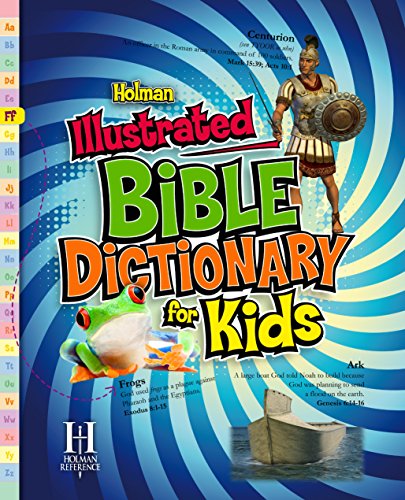
- 750+ terms for ages 5–10
- 500+ entries include colorful visuals
- Useful at home, church, or school
Best For: Young children learning Bible vocabulary through pictures
Best Visual Bible Companion

- 700+ colorful visual study elements
- Complete NIV text with study notes
- Includes maps, infographics, and book introductions
Best For: Visual learners ready for a full study Bible
Best Advanced Reference
Holman Illustrated Bible Dictionary
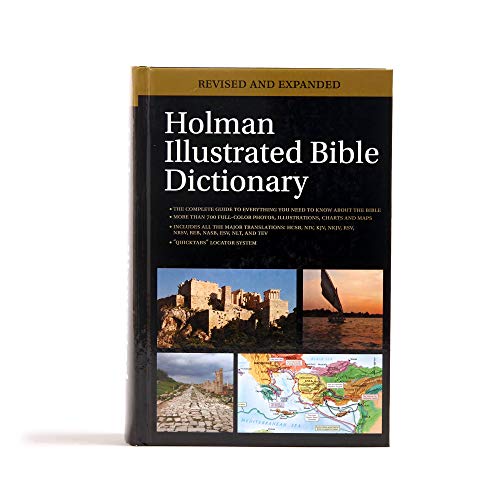
- 6,500+ articles for in-depth study
- 700 visual aids enrich explanations
- Covers history, culture, language, and geography
Best For: Older students and families wanting a long-term reference
Best New Edition for Kids
Explorer Bible Dictionary for Kids

- 750+ common terms for ages 6–10
- Full-color maps, images, and reconstructions
- Suitable for home, church, or school
Best For: Families wanting a current visual reference for elementary-age children
Best Overall Student Reference

- Hundreds of clear Bible definitions
- Color maps, charts, photos, and illustrations
- Suitable for late elementary readers through adults
Best For: Families wanting a long-lasting, illustrated reference
Best for Ages 6–10

- Written for children ages 6–10
- KJV verses, pronunciation help, and fun facts
- Includes activities, maps, and a Bible timeline
Best For: Young KJV readers and interactive Bible learning
Best Pocket Reference
Holman Illustrated Pocket Bible Dictionary

- Compact format for home, school, or church
- Includes photos, reconstructions, maps, and charts
- Offers quick access plus in-depth topic details
Best For: Portable family, student, and teacher reference
Best Compact Reference

- Clear definitions for people, places, objects, and events
- Colorful maps, photos, and reconstructions
- Portable 512-page format for study groups or home use
Best For: Families and beginners wanting a compact, visual Bible reference
Best for Early Readers
Precious Moments Children's Bible Dictionary

- A child-focused vocabulary reference
- Explains terms such as “altar” and “anoint”
- Listed reading age is 5 to 6 years
Best For: Young children learning Bible-story vocabulary
Best All-in-One Kids' Guide
Illustrated Bible Dictionary and Concordance

- 524 kid-friendly A-to-Z entries with Bible verse links
- Includes pictures, maps, book cards, and a timeline
- Adds a 271-word first concordance for ages 8 to 12
Best For: Older children wanting an interactive Bible reference and concordance
Best Overall Kids’ Reference – Holman Illustrated Bible Dictionary for Kids
If you’re looking for a practical bible dictionary for kids ages 5 to 10, this illustrated Holman reference offers more than 750 clearly defined Bible terms. Its full-color visuals make it especially approachable for early readers and children who learn best through pictures.
Best For: Families, church classrooms, homeschool settings, and Christian school libraries serving children in kindergarten through fifth grade.
Pros:
- Explains more than 750 Bible terms in concise, child-friendly definitions.
- Pairs more than 500 entries with photographs, illustrations, maps, or reconstructions.
- Designed for multiple learning environments, including home, church, and school.
Cons:
- Its 2010 publication date means it is not the newest option in this roundup.
- At 2.45 pounds, it is better suited to a shelf or table than carrying around.
For younger children who need visual help understanding Bible vocabulary, this is a focused and accessible reference. The broad image coverage and age range make it a strong all-purpose choice for shared study.
Best Visual Bible Companion – NIV Kids’ Visual Study Bible
This NIV Kids’ Visual Study Bible is a different kind of bible dictionary for kids: instead of focusing only on word definitions, it combines the complete NIV Bible with study notes and more than 700 visual elements. It is a good fit for children who want context for people, places, history, and Bible stories while reading Scripture.
Best For: Visual learners ages approximately 8 to 12 who are ready for a full study Bible with maps, infographics, photographs, illustrations, and explanatory notes.
Pros:
- Includes more than 700 full-color photographs, illustrations, infographics, and maps.
- Provides the complete, readable NIV Bible text alongside study notes and book introductions.
- Includes practical features such as a presentation page, ribbon marker, and single-column layout.
Cons:
- Its 1,952 pages and 2.6-pound weight may feel bulky for younger children.
- It is a full study Bible rather than a dedicated alphabetical dictionary.
- The listed 8.5-point font may be less comfortable for some readers.
Choose this volume when the child needs more than quick definitions and is ready to explore the Bible in context. It offers the most comprehensive Scripture-reading experience here, though it is less portable than a compact reference.
Best Advanced Reference – Holman Illustrated Bible Dictionary
Although it is not specifically marketed as a bible dictionary for kids, this revised and expanded Holman dictionary can serve older children, teens, and families who want substantially more depth. Its 6,500-plus articles cover biblical people, places, terms, history, geography, language, and culture.
Best For: Older students, families, teachers, and Bible-study households that want one extensive reference for deeper research and lesson preparation.
Pros:
- Offers more than 6,500 articles, from Aaron to Zuzite.
- Begins entries with concise definitions before expanding on the topic.
- Includes about 700 full-color photos, maps, reconstructions, and charts.
- Provides historical, cultural, linguistic, geographical, and archaeological background.
Cons:
- Its advanced scope may be overwhelming for younger children.
- It is not presented as a child-specific reference or age-graded resource.
- The supplied notes do not include a complete print-length specification.
This is the strongest choice when long-term usefulness matters more than child-focused simplicity. For a young reader, it works best with adult guidance; for older students and shared family study, its breadth can support years of reference use.
Best New Edition for Kids – Explorer Bible Dictionary for Kids
The Explorer Bible Dictionary for Kids is a newly published bible dictionary for kids designed for ages 6 to 10. It explains more than 750 common Bible terms with concise definitions and uses colorful images, maps, illustrations, and reconstructions to help children understand and apply them.
Best For: Children in early elementary grades and families, churches, or schools seeking a current, visual Bible reference for home or group use.
Pros:
- Includes more than 750 common Bible terms with concise definitions.
- Uses full-color visuals, maps, illustrations, and reconstructions to support comprehension.
- Designed for use at home, church, and school as children grow in their Bible understanding.
Cons:
- Its April 2026 publication date means availability may vary.
- The supplied notes do not specify how many entries include visual material.
- Its large 2.48-pound format is less convenient for carrying.
This is a promising pick for shoppers who want a current, child-focused alternative with the same broad 750-term scope as established kids’ references. Its visual approach and flexible settings make it suitable for both independent browsing and guided study.
Best Overall Student Reference – Student Bible Dictionary
For shoppers seeking a versatile bible dictionary for kids and older students, The Student Bible Dictionary offers hundreds of accessible definitions in a substantial 304-page reference. Its clear explanations and visual materials make it suitable for late elementary readers while remaining useful for teens and adults.
Best For: Families, students, and teachers wanting a broad Bible reference with visuals and age-flexible explanations.
Pros:
- Defines hundreds of Bible words, names, places, events, and doctrines.
- Includes full-color photographs, paintings, maps, charts, and illustrations.
- Expanded and updated with information from newer Bible translations.
- Designed to be simple enough for late elementary school use.
Cons:
- Its student-focused coverage may be more detailed than younger children need.
- The 2014 publication date means it is not the newest option in the roundup.
This is a strong all-purpose choice when you want one illustrated reference that can grow with a child from late elementary school through the teen years.
Best for Ages 6–10 – KJV Bible Dictionary for Kids
Designed specifically as a bible dictionary for kids ages 6–10, this KJV-focused guide combines short definitions with Scripture references, pronunciation help, and activities. It is especially practical for children who are beginning to look up Bible terms independently.
Best For: KJV-reading children, family devotions, Sunday school, homeschooling, and guided quiet reading.
Pros:
- Uses clear, simple language for children ages 6–10.
- Connects entries to KJV verses and includes pronunciation guides.
- Adds “Did You Know?” facts, word searches, matching games, riddles, and other activities.
- Includes three Bible-land maps, a Bible timeline, and an answer key.
Cons:
- Its Scripture references are specifically tied to the King James Version.
- The supplied edition is scheduled for publication on October 3, 2026.
Among these options, this is the most directly child-centered pick, particularly for families looking for an interactive KJV companion rather than a general reference book.
Best Pocket Reference – Holman Illustrated Pocket Bible Dictionary
The Holman Illustrated Pocket Bible Dictionary is a compact alternative for shoppers who want a portable bible dictionary for kids, students, or teachers. Its pocket-size format provides quick access to essential Bible information while still including photographs, reconstructions, maps, and charts.
Best For: Home, school, or church use when portability and quick lookup matter.
Pros:
- Compact 4.4-by-1.05-by-6.5-inch format is convenient to carry.
- Provides easy-to-find information with in-depth details on varied topics.
- Includes color photographs, reconstructions, maps, and charts.
- Useful for both students and teachers.
Cons:
- It is a general Bible dictionary rather than a child-specific guide.
- The revised edition was published in 2007.
This makes the most sense for families or classrooms that prioritize a small, sturdy reference for shared Bible study over child-directed activities or age-specific wording.
Best Compact Reference – Ultimate Bible Dictionary
If you want a portable bible dictionary for kids that can also support family, group, or beginner study, the Ultimate Bible Dictionary offers clear definitions of biblical people, places, objects, and events. Its colorful maps, photos, and reconstructions add useful visual context.
Best For: Older children, beginners, homeschoolers, and families seeking a concise, visually supported Bible reference.
Pros:
- Includes researched definitions in accessible language.
- Features colorful maps, photos, and object reconstructions.
- Portable 512-page format works well for personal or group study.
Cons:
- It is designed for general beginners rather than specifically for young children.
- The broad reference format may be more detailed than some children need.
This is a strong choice when you want one compact reference book to clarify unfamiliar Bible terms while reading or teaching. Younger readers may benefit from adult guidance.
Best for Early Readers – Precious Moments Children's Bible Dictionary
For families seeking a simple bible dictionary for kids, the Precious Moments Children’s Bible Dictionary focuses on words children commonly encounter in Bible stories. It covers both religious terms, such as “altar” and “anoint,” and familiar words that carry special meanings in Scripture.
Best For: Young children around ages 5 to 6 who need straightforward explanations of Bible-story vocabulary.
Pros:
- Written specifically as a children’s Bible dictionary.
- Explains religious and story-related vocabulary in simple terms.
- Its listed reading age is 5 to 6 years.
Cons:
- The supplied details list a 1994 publication date.
- The listed print length of one page may indicate incomplete or unreliable catalog information.
- The notes do not specify maps, illustrations, or additional study features.
This option is best considered for early vocabulary support rather than an extensive reference work. Check the physical listing details carefully before buying, especially the page count.
Best All-in-One Kids' Guide – Illustrated Bible Dictionary and Concordance
This illustrated bible dictionary for kids is built for independent exploration by children ages 8 to 12. It combines 524 A-to-Z entries with Bible references, pictures, maps, book-by-book cards, a timeline, and a first concordance.
Best For: Kids ages 8 to 12, Sunday school classes, homeschool Bible lessons, family devotions, and curious readers who want more than basic definitions.
Pros:
- Includes 524 entries covering people, places, things, animals, and big ideas.
- Adds 120 full-color pictures, six maps, Fun Fact boxes, and rainbow letter tabs.
- Includes a 271-word first concordance, Bible timeline, and cards for all 66 books.
- Uses short, clear sentences and points entries to Bible verses.
Cons:
- Its listed publication date is October 12, 2026, so availability may vary.
- The supplied details describe a digital edition with a 76.2 MB file size.
- It targets ages 8 to 12 and may be too advanced for preschool readers.
Among these choices, this is the most comprehensive child-specific option for older elementary readers. Its combination of definitions, visuals, verse links, maps, and concordance makes it useful for both browsing and guided study.
How We Picked the Best Bible Dictionary for Kids
We focused on reference books that help children find and understand Bible terms quickly. The selection includes illustrated dictionaries, student-focused resources, compact editions, concordance-style guides, and books designed around specific translations or reading levels.
Key considerations included clear definitions, trustworthy biblical context, Scripture references, illustrations or maps, alphabetical organization, durability, and whether the format suits the child’s age and reading ability. Because children’s study needs vary widely, a simple illustrated book may be more useful for a beginning reader than a larger, more detailed reference volume.
Quick Comparison
| Best For | Look For |
|---|---|
| Beginning readers | Large type, short definitions, colorful illustrations, and simple navigation |
| Independent study | Alphabetical entries, pronunciation help, cross-references, and Scripture citations |
| Older children | More historical background, maps, people and place entries, and expanded explanations |
| Translation-specific study | A resource aligned with the child’s preferred Bible translation, such as KJV or NIV |
| Travel or church use | A compact paperback or pocket-sized format |
Key Buying Factors for a Bible Dictionary for Kids
Age and Reading Level
Check the recommended age range, sentence length, type size, and amount of text per entry. A book labeled for children may still be better suited to an older student if it uses advanced vocabulary or provides dense historical detail.
Illustrations and Layout
Pictures, maps, timelines, diagrams, and labeled objects can make abstract biblical concepts easier to remember. Look for a layout that breaks information into short sections rather than presenting long blocks of text.
Accuracy and Biblical Context
Definitions should explain not only what a term means, but also how it fits into the biblical story. Scripture references let children, parents, and teachers check the surrounding passage and continue studying.
Translation Compatibility
If your family or church primarily uses the KJV, NIV, or another translation, a compatible dictionary may make verse references and terminology easier to follow. General Bible dictionaries can be more flexible for households using multiple translations.
Durability and Format
Hardcovers are often a better choice for frequent home or classroom use, while paperbacks and pocket editions are easier to carry. Consider whether the child will use the book at a desk, in church, or alongside a Bible during travel.
Who Should Buy Which Bible Dictionary for Kids?
Choose an illustrated children’s dictionary for younger readers who benefit from visual explanations and short entries. Older elementary students may prefer a broader A-to-Z guide with more people, places, events, and historical background. Students beginning more serious Bible study should consider a resource with cross-references, concordance features, and fuller definitions.
A translation-specific edition is a practical choice when a child consistently reads one Bible version. For families who want one reference book to share, select a durable, comprehensive volume with clear navigation. If portability matters most, a pocket dictionary can cover essential terms without adding much weight to a backpack or Bible case.