Choosing the right bible for homeschool children can make daily faith lessons more engaging, age-appropriate, and easy to sustain throughout the school year.
The best options balance clear Bible teaching with activities, storytelling, and flexibility so you can match them to your child’s reading level and learning style.
Best 10 Bible for Homeschool Children Picks for 2026
Beginner-Friendly Story Bible
The Beginner's Bible: Timeless Children's Stories

- More than 90 Bible stories
- Bright illustrations on every page
- Trusted for homeschooling use
Best For: Young children ages 2-6 who need simple, picture-led Bible reading
Memory Verse Workbook
77 Memory Verses Every Kid Should Know
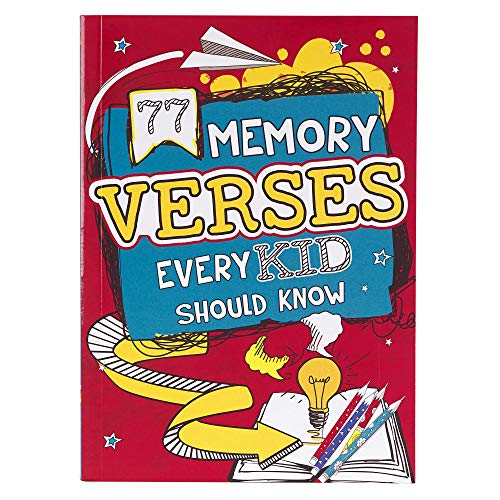
- 77 Scripture verses to memorize
- Read, write, and color format
- Useful for homeschool or Sunday school
Best For: Ages 5-8 focused on Scripture memorization
Hands-On Bible Lesson Guide
Top 50 Instant Bible Lessons for Elementary with Object Lessons

- 50 reproducible elementary lessons
- Includes crafts, games, and object lessons
- Built for homeschool and classroom use
Best For: Ages 5-10 needing a full, hands-on Bible lesson curriculum
Bible Study Companion
The Bible Made Easy - for Kids

- Maps, charts, and timelines included
- Topical index supports homeschool study
- Works alongside a child's own Bible
Best For: Ages 8-12+ who need Bible study help and context
Big Story Bible Storybook
The Biggest Story Bible Storybook

- 104 short Bible stories from Genesis to Revelation
- Full-color illustrations on every page
- Includes a reflective prayer after each reading
Best For: Homeschool families wanting a storybook Bible that teaches the unified storyline of Scripture
Chronological Kids Devotional
The Bible Recap Kids' Devotional

- 365-day chronological reading plan
- Activities like puzzles and coloring pages
- Designed for ages 6 and up
Best For: Families wanting a structured year-long Bible devotion for homeschool reading
Whimsical Family Bible Stories

- 52 five-minute Bible stories from Genesis to Revelation
- Family Connection sections for discussion and prayer
- Includes maps, charts, and bonus learning tools
Best For: Younger homeschool children who need short, engaging Bible readings with family discussion
Little Learners Bible Fun
77 Bible Activities for Kids, Ages 5-8

- 77 Scripture-based activities for ages 5-8
- Includes mazes, puzzles, and word games
- Compact 80-page format for quick Bible time
Best For: Preschool and early elementary homeschoolers
Weekly Bible Study for Older Kids

- 52 weekly lessons for a year of study
- Includes quizzes, questions, and drawing prompts
- Written for kids ages 8 to 12
Best For: Homeschool families wanting a structured Bible workbook for older kids
Year-Long Faith Workbook
52-Week Bible Activity Workbook for Kids Ages 8-12

- 52-week plan for year-long Bible learning
- Includes lessons, puzzles, prayers, and coloring
- Emphasizes faith, character, and real-life application
Best For: Christian homeschool families wanting a full-year Bible and character workbook
Beginner-Friendly Story Bible – The Beginner's Bible: Timeless Children's Stories
If you’re looking for a bible for homeschool children that keeps little ones engaged, The Beginner’s Bible is a strong place to start. It offers more than 90 Bible stories with bright, full-color illustrations and easy-to-read text, making it practical for daily read-aloud time, family devotions, or early independent reading.
Best For: Ages 2-6, especially early homeschoolers who learn best through pictures and simple storytelling.
Pros:
- More than 90 memorable Bible stories in an easy-to-follow format
- Bright, vibrant illustrations on every page help hold young children’s attention
- Trusted for homeschooling and Sunday school, with a durable build for frequent use
- Parent-tested, children-approved text that works well for read-aloud sessions
Cons:
- Designed for very young children, so older homeschoolers may outgrow it quickly
- It is a story Bible, not a full-text Bible for study
Overall, this is one of the most approachable options for introducing Scripture to preschool and early elementary learners. It is especially useful if you want a gentle, visually rich Bible foundation before moving into more advanced study tools.
Memory Verse Workbook – 77 Memory Verses Every Kid Should Know
For a bible for homeschool children that focuses on Scripture retention, this workbook offers a hands-on way to learn key verses. The read, write, and color approach makes memorization more interactive, and the format is easy to fold into a morning basket, Bible time, or short independent work session.
Best For: Ages 5-8 who benefit from repetition, coloring, and simple verse practice.
Pros:
- Includes 77 key Bible verses in a child-friendly memorization format
- Combines reading, writing, and coloring to reinforce learning
- Useful for homeschool, Sunday school, or quiet activity time
- Portable softcover size makes it easy to keep on hand
Cons:
- Focuses on memorization rather than broader Bible story teaching
- Best suited to younger children, so older students may need more depth
This is a practical pick if your homeschool plan includes verse memory as a regular habit. It works well as a supplement alongside a story Bible or lesson-based curriculum.
Hands-On Bible Lesson Guide – Top 50 Instant Bible Lessons for Elementary with Object Lessons
If you want a bible for homeschool children that doubles as a ready-to-use teaching resource, this lesson guide is built for that job. It includes 50 fully reproducible lessons with Bible stories, object lessons, activities, and bonus Christmas and Easter lessons, so it can cover a full year of elementary Bible time.
Best For: Homeschool parents or teachers with ages 5-10 who want complete, hands-on Bible lessons.
Pros:
- 50 reproducible lessons plus 2 bonus holiday lessons
- Includes Bible stories, object lessons, crafts, games, and discussion questions
- Designed for elementary-aged children and easy to adapt for homeschool use
- Strong fit for busy parents who want print-and-go Bible lesson content
Cons:
- It is a curriculum resource, not a child-friendly Bible text itself
- May feel more structured than families wanting simple devotional reading
For families who want guided teaching rather than just a reading Bible, this is one of the most complete options. It is especially helpful when you want lessons, activities, and planning support in one place.
Bible Study Companion – The Bible Made Easy – for Kids
For older students who need help navigating Scripture, this bible for homeschool children is best used as a companion to an actual Bible. It includes simple maps, charts, timelines, coloring pages, and a topical index to help children see how Bible stories connect from Genesis to Revelation.
Best For: Ages 8-12+ who are ready for a more guided Bible study resource alongside their own Bible.
Pros:
- Helps children understand the Bible’s structure and big-picture story
- Includes maps, charts, timelines, and line drawings to color
- The topical index makes it especially useful for homeschooling
- Can support family devotions or personal Bible study
Cons:
- Not a Bible itself, so it must be used with a separate Bible
- May be too advanced in concept for younger readers
This is a strong support tool if your homeschooler is ready to move beyond simple Bible stories. It adds structure and context without replacing the need for direct Bible reading.
Big Story Bible Storybook – The Biggest Story Bible Storybook
The Biggest Story Bible Storybook (Hardcover): Bible Stories for Kids Ages 6–12
Check Price On AmazonIf you’re looking for a bible for homeschool children that helps kids see how Scripture fits together, this storybook is a strong fit. Kevin DeYoung presents 104 short Bible stories from Genesis to Revelation in a clear, connected way, with full-color illustrations and a reflective prayer at the end of each reading.
Best For: Homeschool families who want a read-aloud Bible storybook that emphasizes the big picture of Scripture for ages 6–12.
Pros:
- 103/104? Actually notes say 104 short chapters covering the whole Bible from Genesis to Revelation.
- Each story includes engaging retellings, illustrations, and a reflective prayer.
- Designed for ages 6–12 and works well for bedtime or family reading.
- High-production hardcover with sewn binding and a ribbon marker.
Cons:
- It is a storybook Bible, not a full-text Bible for daily verse-by-verse study.
- The length and format may be more than very young readers need.
For homeschool use, this book stands out when you want children to grasp the unified storyline of the Bible rather than only isolated stories. Its short chapters, illustrations, and prayer prompts make it easy to build into a family rhythm.
Chronological Kids Devotional – The Bible Recap Kids' Devotional
For a bible for homeschool children that supports daily reading habits, this devotional follows a 365-day chronological plan through the Bible. It is designed for ages 6 and up and adds word puzzles, coloring pages, and other activities to help children understand and remember what they read.
Best For: Homeschool families who want a year-long devotional with daily readings, reflection, and simple activities for children ages 6 and up.
Pros:
- Follows a 365-day chronological reading plan from Genesis through Revelation.
- Includes reflections and activities that reinforce key verses and ideas.
- Works for individual use or family reading time.
- Built to help kids read, understand, and love the whole Bible.
Cons:
- It is a devotional, so it is not intended to replace a full Bible edition.
- Best suited to families ready for a year-long commitment.
This is a practical choice for homeschoolers who want structure without a lot of prep. The combination of chronological reading, short reflections, and hands-on activities makes it easy to weave into a daily Bible routine.
Whimsical Family Bible Stories – Laugh and Grow Bible for Kids
If your goal is to find a bible for homeschool children that feels approachable and easy to fit into the day, this five-minute story Bible is worth a look. Phil Vischer retells 52 Bible stories from Genesis to Revelation in a vivid, whimsical style, and each story includes a Family Connection section to guide discussion and prayer.
Best For: Homeschool families with younger children who want short Bible readings plus simple discussion prompts for family devotional time.
Pros:
- 52 five-minute Bible stories that are easy to use in a busy homeschool schedule.
- Family Connection sections encourage talk, prayer, and application.
- Includes bonus content such as maps and charts.
- Written by VeggieTales creator Phil Vischer and illustrated throughout.
Cons:
- With only 52 stories, it covers less material than a full-year devotional.
- Best suited to younger children rather than older elementary students.
This book is especially useful if you want a short, engaging Bible resource that still points children to the gospel. Its quick reading time and built-in family discussion helps keep homeschool Bible time simple and consistent.
Little Learners Bible Fun – 77 Bible Activities for Kids, Ages 5-8
If you want a bible for homeschool children that feels more like play than schoolwork, this activity book is a strong fit for ages 5 to 8. It uses mazes, word searches, join-the-dots, and crack-the-code games to help young kids stay engaged while learning Bible stories and basic thinking skills.
Best For: Preschool and early elementary homeschoolers who learn best through short, hands-on Bible activities.
Pros:
- 77 Scripture-based activities keep lessons varied and fun
- Built around familiar Bible stories like Jonah and Noah’s ark
- Supports reading, counting, and critical thinking skills
- Compact size makes it easy to pack for church or travel
Cons:
- Best suited to younger children, not older homeschool students
- More activity-focused than full Bible study
- Only 80 pages, so it is relatively short
This is a practical pick if your goal is to introduce Scripture in a simple, entertaining format. It works well as a supplement to a homeschool Bible routine or as a quiet activity book with a clear Christian focus.
Weekly Bible Study for Older Kids – Bible Study Workbook for Kids
For families looking for a bible for homeschool children ages 8 to 12, this workbook offers a more structured study approach. It combines 52 weekly lessons with summaries, questions, quizzes, fill-in-the-blanks, and drawing prompts to help kids understand Bible passages in age-appropriate language.
Best For: Homeschool families who want a year-long, lesson-based Bible workbook for older kids.
Pros:
- 52 weekly lessons provide a full year of Bible study
- Covers both Old and New Testament stories
- Mixes discussion questions, quizzes, and hands-on activities
- Explains passages in language kids 8 to 12 can follow
Cons:
- Better for guided study than independent reading for younger kids
- Focused on workbook activities rather than a full Bible text
- Designed for a specific age range, so it may not fit every sibling group
This workbook makes sense if you want something more systematic than a simple activity book. It is a solid middle-ground option for adding regular Bible study into a homeschool schedule.
Year-Long Faith Workbook – 52-Week Bible Activity Workbook for Kids Ages 8-12
If you need a bible for homeschool children that stretches across the whole year, this 52-week workbook is built for steady weekly use. It blends short Bible lessons with puzzles, writing, reflection, coloring pages, and simple prayers, making it easy to fold into homeschool quiet time or family devotions.
Best For: Christian homeschool families who want a full-year, week-by-week Bible and character workbook.
Pros:
- Full 52-week structure supports consistent use
- Combines Bible lessons with practical life application
- Includes puzzles, games, coloring, and simple prayers
- Focuses on character growth and faith-building habits
Cons:
- Not ideal if you want a short, occasional activity book
- Best for ages 8 to 12, so younger children may need help
- More workbook-based than storybook-based
This is the most complete of the three options for families who want a repeatable homeschool Bible routine. Its year-long format and broader faith-and-character focus make it especially useful for consistent, screen-free learning.
How We Picked the Best Bible for Homeschool Children
We focused on resources that are practical for homeschool use, age-appropriate, and easy to work into a weekly plan. Strong picks help children understand Scripture, stay interested, and build consistent habits without requiring heavy prep from parents.
We also favored books with clear structure, durable formats, and formats that work for different ages, from early elementary story Bibles to more interactive devotionals and workbooks.
Quick Comparison
For younger children, storybook Bibles and simple lesson books usually work best because they keep attention and simplify big ideas. For elementary learners, memory verse books, activity workbooks, and lesson-based resources can reinforce comprehension and retention. Older kids often benefit more from devotionals and guided Bible study formats that encourage reflection, discussion, and application.
Key Buying Factors for Bible for Homeschool Children
Age and Reading Level
Match the resource to your child’s developmental stage. A Bible for Homeschool Children should not feel too advanced or too babyish, or it may lose its effectiveness. Look for clear age ranges and readable text.
Teaching Style
Decide whether you want a story-driven approach, a lesson-based approach, or a devotional rhythm. Storybooks are great for narration and comprehension, while workbooks and activities are better for review, independent work, and hands-on learning.
Depth of Content
Some resources focus on broad biblical themes and big stories, while others move into memory verses, theology, or daily application. Choose the depth that fits your curriculum goals and time available.
Parent Involvement
Some books are built for read-aloud teaching, while others allow children to work more independently. If you need a low-prep option, look for clear instructions, short lessons, and built-in activities.
Durability and Usability
Hardcover formats, well-organized layouts, and reusable activity pages can matter a lot in a homeschool setting. You want a resource that can handle repeated use and remain easy to revisit.
Who Should Buy Which Bible for Homeschool Children?
Families with preschool and early elementary kids will usually get the most value from story Bibles and simple gospel retellings. Children who enjoy memorization and repetition may prefer verse collections and activity books. If you want a year-long structure, devotional and weekly workbook formats are ideal. For multi-age homeschool families, mixing one narrative Bible with one activity-based supplement is often the most practical setup.
The best Bible for Homeschool Children is the one that fits your child’s age, your teaching style, and your weekly routine. A good match keeps lessons consistent and helps Scripture become a natural part of everyday learning.