Finding a Bible for a child with dyslexia should feel encouraging, not overwhelming. The best options focus on clearer type, cleaner page layouts, and kid-friendly extras that make reading feel possible.
In this roundup, we highlight 10 practical picks for young readers, from large-print editions to phonics-based and dyslexia-friendly formats.
Best 10 Bible for Children with Dyslexia Picks for 2026
Top Dyslexia-Friendly Pick
- Inclusive Grace typeface with extra spacing
- Includes colored overlays for visual processing
- 40 pages of study helps and maps
Best For: Families wanting a full Bible with strong dyslexia-friendly features
Best Phonics Choice
The Growing Reader Phonics Bible

- Phonics tools support all 44 sounds
- 61 stories with rhythmic wording
- Designed for ages 4–8
Best For: Young readers who need phonics practice with Bible stories
Best Compact Gospel Edition
CSB Gospel of Mark: Dyslexia Friendly

- Grace typeface with special spacing
- Short 63-page Gospel format
- Good entry point for accessible reading
Best For: Kids or beginners who want a shorter dyslexia-friendly Bible section
Best Large-Format Reader
Just for Girls - Simply The Bible New Testament

- Dyslexie font in a large 8.5 x 11 format
- Based mainly on the World English Bible
- Aims to help beginner and dyslexic readers
Best For: Girls who need a large-print New Testament with dyslexia-friendly text
Kids Dyslexia-Friendly Hardcover

- Specialized typeface with bottom-weighted letters
- Extra spacing improves readability for young readers
- Includes 24 pages of illustrations and maps
Best For: Ages 6–10 needing a kid-friendly dyslexia Bible
Large-Print New Testament
- Uses Dyslexie font for easier reading
- Large 8.5 x 11 format
- Footnotes removed to reduce distractions
Best For: Older children and struggling readers who need a simple New Testament
TruTone Dyslexia-Friendly Bible
- Research-based dyslexia-friendly type and spacing
- Color overlays offer 30 viewing options
- Includes the full ESV Bible text
Best For: Readers who want a full Bible with extra visual comfort support
Clear Focus Option
NIrV Clear Focus Bible for Kids

- Bionic Reading bolds key parts of each word.
- Generous spacing and simplified pages support reading.
- NIrV text is set at a third grade reading level.
Best For: Kids who need help staying focused while reading Scripture
Dyslexia-Friendly Study Pick

- Inclusive Grace typeface and added spacing improve readability.
- Colored overlays are included for visual processing support.
- Comes with study helps, maps, and book summaries.
Best For: Kids with dyslexia who also benefit from Bible study tools
Pink Focus Edition
NIrV Clear Focus Bible for Kids, Pink

- Bionic Reading supports smoother word tracking.
- Spaced layout and dark grey text aid focus.
- Accessible NIrV text suits early readers.
Best For: Kids who want a dyslexia-friendly Bible in pink
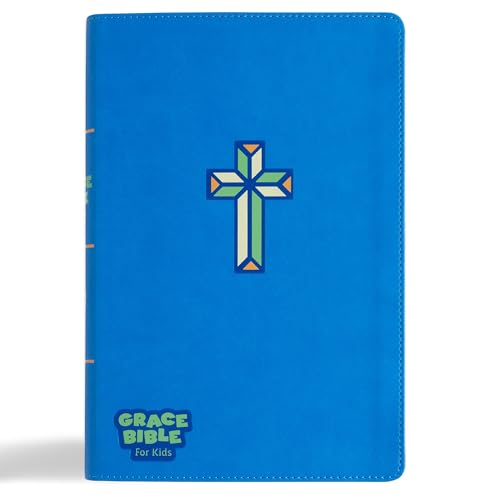
Top Dyslexia-Friendly Pick – CSB Grace Bible for Kids
If you’re shopping for a bible for children with dyslexia, the CSB Grace Bible for Kids stands out for its research-backed readability features. It uses the Inclusive Grace typeface, wider spacing, and colored overlays to help reduce visual stress, while still giving kids the full CSB text and plenty of study helps.
Best For: Families, churches, and schools looking for a full-size, dyslexia-friendly kids Bible with study tools.
Pros:
- Designed with Cambridge University and 2K/DENMARK for kids with dyslexia and other reading challenges
- Includes special-colored page overlays to support visual processing
- Offers 40 pages of study helps, maps, book summaries, and a Bible skills checklist
- Large 11-point type and lay-flat Smyth-sewn binding add everyday usability
Cons:
- At 1,760 pages, it may feel substantial for younger children to handle
- The 6 x 9 inch format is more like a study Bible than a small take-along edition
Overall, this is the most feature-rich option in the group if you want a bible for children with dyslexia that also grows with a child’s Bible learning. It balances accessibility, durability, and study content well.
Best Phonics Choice – The Growing Reader Phonics Bible
For a bible for children with dyslexia that also supports early reading, The Growing Reader Phonics Bible takes a simpler, skills-first approach. Its 61 stories use bright artwork, rhythmic wording, and phonics tools to help children learn all 44 phonics sounds while building Bible familiarity.
Best For: Early readers, preschoolers, and young children learning phonics alongside Bible stories.
Pros:
- Built around phonics support for all 44 phonics sounds
- 61 Bible stories help keep reading practice manageable
- Bright artwork and rhythmic wording make it approachable for young readers
- Reading age of 4–8 and grade level 1–2 fits early reading stages
Cons:
- Not specifically labeled dyslexia-friendly in the title or notes
- Less of a full Bible study resource than a complete edition with extra helps
This is a strong pick if your priority is helping a child build reading confidence through phonics rather than offering a specialized dyslexia layout. It’s especially practical for younger kids just starting out.
Best Compact Gospel Edition – CSB Gospel of Mark: Dyslexia Friendly
If you want a bible for children with dyslexia in a smaller, focused format, this CSB Gospel of Mark edition is built to reduce reading strain. It uses the Grace dyslexia-friendly typeface with distinctive spacing and letter shapes, making Mark’s account easier to approach without adding extra bulk.
Best For: Kids, beginners, or families who want a short, accessible Gospel reading edition.
Pros:
- Uses the ground-breaking Grace typeface designed to ease visual stress
- Compact 63-page format is less overwhelming than a full Bible
- Enhanced typesetting, Word Wise, and page flip support digital reading features
- Focuses on the Gospel of Mark for a straightforward entry point
Cons:
- Only includes one Gospel, not the full Bible
- Publication date is listed as 2026, so availability may be something to watch
This is a useful option when you want a shorter Scripture portion in a dyslexia-friendly design. It’s best viewed as a starting point or supplement rather than a complete children’s Bible.
Best Large-Format Reader – Just for Girls – Simply The Bible New Testament
This bible for children with dyslexia is aimed at young ladies who need a more spacious New Testament reading experience. It uses the Dyslexie font, a large 8.5″ x 11″ format, and a simplified presentation based on the World English Bible to make reading feel less crowded.
Best For: Girls, beginner readers, and students who benefit from large-format dyslexic text.
Pros:
- Uses the Dyslexie font to support struggling readers
- Large 8.5″ x 11″ size gives text plenty of room
- Based mainly on the easy-to-read World English Bible
- Designed specifically as a New Testament for beginners and dyslexic students
Cons:
- New Testament only, so it doesn’t include the whole Bible
- Title and styling are girl-focused, which may not fit every child
For a child who needs bigger text and less visual clutter, this edition offers a very practical layout. It’s a niche pick, but the large format and Dyslexie font make it worth considering for reading support.
Kids Dyslexia-Friendly Hardcover – ESV Holy Bible for Kids
If you’re looking for a bible for children with dyslexia, this ESV Holy Bible for Kids edition is built to make reading feel less intimidating and more approachable. It uses a specialized typeface with bottom-weighted letters, plus extra spacing between letters, words, lines, and paragraphs to support easier reading for ages 6–10. Kid-friendly illustrations, maps, and full Bible text make it a practical choice for young readers who want a Bible of their own.
Best For: Children ages 6–10 who need a dyslexia-friendly Bible with kid-focused extras.
Pros:
- Specialized typeface with bottom-weighted letters helps distinguish similar letterforms
- Generous spacing across the page supports easier reading
- Includes 24 pages of illustrations and maps for kid-friendly engagement
- Built around the full ESV Bible text in a hardcover format
Cons:
- Only the notes specify a hardcover edition, so it may be less portable than smaller formats
- Designed specifically for ages 6–10, so older children may outgrow it quickly
This is a strong pick if you want a child-centered Bible that pairs readability features with visual content. The research-based type design and spacious layout are the main draw, while the illustrations and maps help keep younger readers interested.
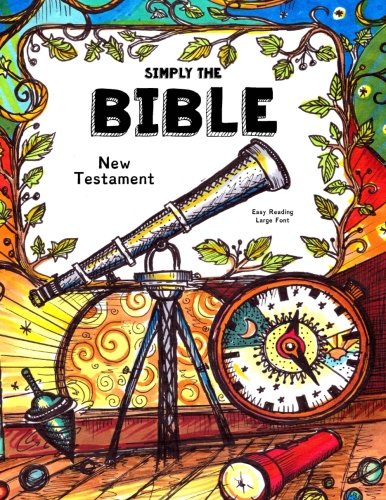
Large-Print New Testament – Simply The Bible
For a bible for children with dyslexia or other struggling readers, this New Testament focuses on simplicity and visual ease. It uses the Dyslexie font, a large 8.5″ x 11″ page size, and a cleaner presentation that removes footnotes referencing alternate readings. The result is a straightforward reading Bible for beginner readers, students, and older children who need extra clarity.
Best For: Struggling readers and older children who want a large, easy-to-read New Testament.
Pros:
- Uses Dyslexie font, specifically chosen to support dyslexic readers
- Large 8.5″ x 11″ format makes text easier to handle visually
- Editor notes describe a readability-focused approach with simplified wording
- Footnotes referencing alternate readings were removed to reduce distractions
Cons:
- Covers only the New Testament, not the full Bible
- Large page size may be less convenient for carrying around
- Grade level listed as 7–9, so it may be better for older children than younger ones
This edition stands out for readers who need a very plain, readable layout without extra visual clutter. If you want a larger-format New Testament that leans hard into accessibility, it is a practical option.
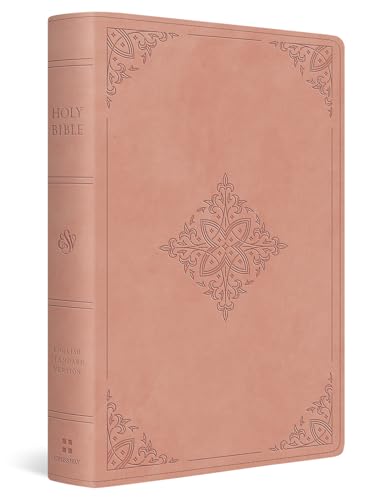
TruTone Dyslexia-Friendly Bible – ESV Holy Bible
This ESV Holy Bible is a good fit if you want a bible for children with dyslexia in a more polished full-Bible format. It uses the same research-based dyslexia-friendly typeface and spacing as the kid-focused edition, but adds color overlays that can be placed over the text to help reduce visual strain. With the full ESV text and a manageable 6″ x 9″-style size noted in the product details, it offers a practical blend of readability and presentation.
Best For: Children or family readers who want a full ESV Bible with added visual comfort options.
Pros:
- Bottom-weighted letters and generous spacing support easier reading
- Color overlays provide 30 options to help reduce visual strain
- Includes the full ESV text in a dyslexia-friendly format
- Research-backed design developed with 2K and Cambridge University’s research department
Cons:
- Does not include the kid-specific illustrations and maps found in the children’s edition
- TruTone format may feel more formal than a child-focused hardcover
- Publication details indicate a 2026 release, so availability may vary
This edition is the best choice here if you want the accessibility features without giving up a full Bible text. The color overlays add an extra layer of flexibility for readers who benefit from visual adjustments.
Clear Focus Option – NIrV Clear Focus Bible for Kids
If you’re looking for a Bible for children with dyslexia, the NIrV Clear Focus Bible for Kids is built to make reading feel more manageable. It uses Bionic Reading, which bolds key parts of each word to help young readers follow along, stay engaged, and better understand what they read. The layout also includes generous line spacing, dark grey text, and simplified page elements.
Best For: Kids who get distracted easily, struggle with reading confidence, or need a more guided Bible text experience.
Pros:
- Bionic Reading format bolds key parts of each word to support focus.
- Designed with generous spacing, dark grey text, and simplified pages.
- NIrV text is written at about a third grade reading level.
- Includes a Bible reading plan and satin ribbon marker.
Cons:
- The 7.8-point type size may still feel small for some readers.
- Its format is specialized, so it may not suit every child’s learning style.
This is a practical choice for families who want a Bible that actively supports attention and reading flow. The leathersoft cover and lay-flat design add everyday usability, while the child-friendly translation keeps the text approachable.
Dyslexia-Friendly Study Pick – CSB Grace Bible for Kids
For a Bible for children with dyslexia that also adds study support, the CSB Grace Bible for Kids takes an academically informed approach to readability. It was developed with 2K/DENMARK and Cambridge University and uses the Inclusive Grace typeface, added spacing, and colored page overlays to help with visual processing. The Bible also includes study helps, maps, and book summaries to keep kids connected to what they’re reading.
Best For: Kids with dyslexia or other reading challenges who also want built-in study tools.
Pros:
- Designed to enhance readability for all levels and varieties of dyslexia.
- Includes colored page overlays to support visual processing.
- Offers 40 insert pages with study helps and maps.
- Large 11-point type and lay-flat binding improve usability.
Cons:
- It is a substantial Bible, so it may be less portable than smaller editions.
- The extra study material may be more than some younger children need.
This edition stands out if you want both readability features and a fuller study experience. The CSB text balance of accuracy and readability makes it a solid long-term choice as kids grow in confidence and Bible knowledge.
Pink Focus Edition – NIrV Clear Focus Bible for Kids, Pink
This pink edition is another strong Bible for children with dyslexia when you want the same reading support features in a different color option. It uses Bionic Reading to bold key parts of each word, and its layout adds generous spacing, dark grey text, and simplified page elements to help kids stay focused. The NIrV text keeps the reading level accessible for young readers just starting out.
Best For: Kids who need reading support and prefer the pink cover option.
Pros:
- Bionic Reading helps guide the eye through each word.
- Designed with spacing and simplified pages for easier reading.
- NIrV translation is aimed at early readers.
- Includes a Bible reading plan, ribbon marker, and lay-flat cover.
Cons:
- It shares the same specialized format as the blue edition, so results may vary by child.
- The 7.8-point type size may not feel large enough for every reader.
If you like the Clear Focus format but want a pink cover, this version keeps the same core readability features. It’s a practical pick for families looking for a child-friendly Bible that aims to make reading feel less frustrating and more consistent.
How We Picked the Best Bible for Children with Dyslexia
For this Bible for Children with Dyslexia roundup, we focused on readability first: font design, spacing, line length, page clutter, and overall ease of tracking text. We also weighed age fit, translation clarity, and whether the format helps beginning readers build confidence without feeling babyish.
We favored editions that offer real-world support such as large print, Dyslexie-style fonts, phonics help, colored overlays, and simplified layouts. Durable bindings and kid-appropriate presentation also mattered, especially for family devotionals, church use, and school settings.
Quick Comparison: Which Type Works Best?
Not every dyslexia-friendly Bible serves the same purpose. Large-print editions are often best for children who need straightforward visual support. Phonics-based Bibles can help emerging readers decode words more confidently. “Clear focus” or simplified-format editions may be a better fit for kids who get tired quickly or lose their place on the page.
If your child is older or more independent, a dyslexia-friendly New Testament can be a low-pressure starting point before moving to a full Bible.
Key Buying Factors for a Bible for Children with Dyslexia
Font and Spacing
Look for larger type, generous spacing, and uncluttered pages. These features can reduce crowding and help children keep their place while reading.
Translation and Reading Level
A clear, accessible translation matters just as much as the layout. For some readers, a simpler translation or a New Testament edition is easier to start with than a full study Bible.
Support Features
Study helps, colored overlays, and phonics support can be useful, but they should match the child’s actual needs. More features are not always better if they add confusion.
Format and Durability
Hardcover, Leathersoft, and TruTone editions each have tradeoffs. Choose a format that fits how the Bible will be used most: at home, in church, or on the go.
Who Should Buy Which Bible for Children with Dyslexia?
Choose a phonics-based Bible for early readers who are still learning word patterns. Choose a large-print or dyslexia-friendly full Bible for kids who can read but need visual relief. Choose a New Testament edition if you want a gentler first step with less page volume and more manageable reading sessions.
If your child also struggles with attention, a clean layout with strong visual separation may be the most helpful choice. The best Bible for Children with Dyslexia is the one your child can read with less stress and more confidence.