Choosing an orthodox theology book set is easier when you know whether you need a beginner-friendly introduction, a catechetical overview, or a deeper doctrinal study.
Below, we focus on sets and companion volumes that help readers understand Eastern Orthodox belief, worship, and theological language with clarity and balance.
Best 10 Orthodox Theology Book Set Picks for 2026
Standard Orthodox Dogmatic Theology
Orthodox Dogmatic Theology: A Concise Exposition

- Standard introductory text used in seminary settings
- Clear, concise treatment of Orthodox doctrine
- Expanded third edition with added notes and index
Best For: Serious beginners, theology students, and readers wanting a classic reference
Faith Bridge Handbook
Know the Faith: A Handbook for Orthodox Christians and Inquirers

- Explains Orthodoxy for Western Christians and inquirers
- Grounded in Scripture and patristic theology
- Includes comparisons with Catholic and Protestant beliefs
Best For: Inquirers, converts, and Orthodox readers who need a clear explanatory guide
Accessible Eastern Orthodox Intro
A Basic Guide to Eastern Orthodox Theology

- Designed for readers with no prior Orthodox background
- Broad overview of beliefs, practices, and history
- Aimed at Western and evangelical audiences
Best For: Beginners who want a plain-language introduction to Eastern Orthodoxy
Core Orthodox Faith Volume
The Orthodox Faith: Doctrine and Scripture (1)

- Volume 1 in a four-volume Orthodox faith series
- Covers doctrine, Nicene Creed, Trinity, and Scripture
- Revised edition with a focused, structured outline
Best For: Readers building a multi-volume Orthodox study collection
Orthodox Theology Primer
Introducing Eastern Orthodox Theology

- Covers the Trinity, Christ, sin, humanity, and creation.
- Also addresses prayer, icons, sacraments, and liturgy.
- Compact 172-page introduction for new readers.
Best For: Readers seeking a concise introduction to Eastern Orthodox theology and practice.
Catechism Starter
The Essentials: An Orthodox Christian Catechism
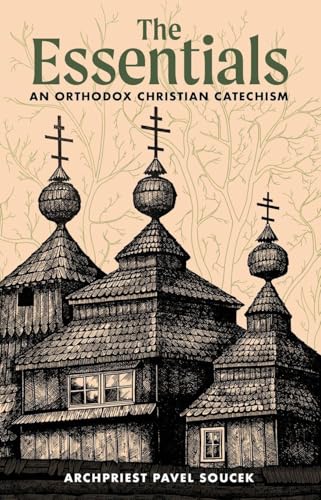
- Covers the Creed, Sacraments, Scripture, and Tradition.
- Aims to help new converts participate fully in the Church.
- Slim 146-page catechism format is easy to use.
Best For: New converts and readers wanting a brief Orthodox catechism.
Dogmatic Theology Deep Dive
Orthodox Dogmatic Theology: The Experience of God, Vol. 1

- Treats revelation and knowledge of the Triune God.
- Connects dogma with spirituality and social consequences.
- 467-page volume offers substantial depth.
Best For: Readers seeking a serious, in-depth Orthodox dogmatic theology study.
Orthodox-Evangelical Theology Pick
The Evangelical Theology of the Orthodox Church

- Highlights the evangelical reality of the Orthodox Church
- Focused on dialogue with evangelical Protestants
- 283-page article collection from St Vladimir’s Seminary Press
Best For: Readers who want an Orthodox book on evangelical identity and dialogue with Protestants.
Marian Theology Classic
The Orthodox Veneration of the Mother of God

- Concise 88-page classic on Mary and Orthodox veneration
- Links Marian teaching to understanding Christ
- Translated by Hieromonk Seraphim Rose
Best For: Readers looking for a concise Orthodox treatment of Mary and Marian veneration.
Philosophical Theology Selection
Natural Theology in the Eastern Orthodox Tradition

- Essay collection on natural theology in Orthodoxy
- Includes contributors like Bradshaw, Cross, and Swinburne
- Academic 216-page volume on history and relevance
Best For: Readers interested in Orthodox theology, philosophy, and the case for natural theology.
Standard Orthodox Dogmatic Theology – Orthodox Dogmatic Theology: A Concise Exposition
If you want an orthodox theology book set anchor text for serious study, this classic volume is a strong place to start. Michael Pomazansky presents Orthodox dogmatic teaching clearly and concisely, with extensive grounding in Scripture and the Holy Fathers, making it useful for both students and lay readers who want a dependable overview.
Best For: Seminary students, clergy, and lay readers looking for a classic introductory Orthodox theology text.
Pros:
- Widely regarded as a standard source and a main theology textbook at Holy Trinity Orthodox Seminary.
- Clear, simple, and concise presentation makes it accessible to non-specialists.
- Rich use of Scripture and patristic quotations keeps the focus on Orthodox tradition.
- Expanded third edition adds new notes, preface, bibliography, and index.
Cons:
- Best suited to readers who want doctrinal study rather than a broad survey of Orthodox life.
- The style is concise, so some readers may want a more expansive companion text.
As a foundational text, this edition offers a reliable and traditional introduction to Orthodox dogmatics. It is especially appealing if you want one substantial reference work that is respected, readable, and deeply rooted in the Church’s teaching.
Faith Bridge Handbook – Know the Faith: A Handbook for Orthodox Christians and Inquirers
For readers comparing traditions or building an orthodox theology book set for outreach and study, this handbook is especially practical. It explains Orthodox Christianity in terms Western Christians can follow, while grounding each topic in Scripture and patristic theology and contrasting Orthodox belief with Catholic and Protestant views.
Best For: Orthodox Christians explaining the faith and inquirers who want a cross-tradition introduction.
Pros:
- Written to be understandable for Western Christians and inquirers.
- Uses Scripture and patristic theology to support each point.
- Includes comparisons with Catholic and Protestant beliefs.
- Useful for both learning the faith and communicating it to others.
Cons:
- More of a handbook than a full doctrinal reference.
- Readers seeking a deep systematic theology text may want something more detailed.
This is a strong choice if you want a readable guide that helps bridge vocabulary and conceptual gaps. It works well as an accessible companion book alongside a more formal theology text.
Accessible Eastern Orthodox Intro – A Basic Guide to Eastern Orthodox Theology
If you need an orthodox theology book set that starts from square one, this guide is designed for exactly that purpose. Eve Tibbs offers a broad but accessible introduction to Eastern Orthodox beliefs and practices, aimed at Western readers with no prior background in the tradition.
Best For: First-time readers, evangelical audiences, and anyone needing a basic overview of Eastern Orthodox belief.
Pros:
- Assumes no prior knowledge of Orthodox theology.
- Written to translate Orthodox faith for a Western evangelical audience.
- Provides a comprehensive overview from Pentecost to the present day.
- Backed by the author’s extensive teaching experience.
Cons:
- More introductory than advanced.
- Readers wanting detailed doctrinal depth may need a more specialized companion text.
This book is a good fit if your main goal is orientation rather than technical theology. It offers a broad, approachable path into Orthodoxy without assuming you already know the vocabulary or background.
Core Orthodox Faith Volume – The Orthodox Faith: Doctrine and Scripture (1)
This volume makes sense if you are assembling an orthodox theology book set around the Church’s basic teaching. It introduces the doctrinal sources of Orthodox faith, explains the Nicene Creed and Holy Trinity, and then gives an overview of Scripture through both the Old and New Testaments.
Best For: Readers who want a structured introduction to Orthodox doctrine and biblical foundations.
Pros:
- Covers both doctrine and Scripture in one revised volume.
- Explains the sources of Orthodox teaching before moving into the Nicene Creed and Trinity.
- Includes an overview of both the Old and New Testaments.
- Part of a four-volume series on the faith and life of the Orthodox Church.
Cons:
- Only volume 1 of a larger series, so it is not the full set.
- Readers wanting a single all-in-one theology encyclopedia will need other volumes or a broader text.
As the opening book in a four-volume series, this is a practical starting point for building a deeper study collection. It is especially helpful if you want doctrine and biblical grounding together in a compact format.
Orthodox Theology Primer – Introducing Eastern Orthodox Theology
If you’re comparing an orthodox theology book set or starting with a single approachable volume, Introducing Eastern Orthodox Theology is a compact overview of core Orthodox beliefs and practices. It covers the Trinity, Christ, sin, humanity, creation, icons, the sacraments, liturgy, and prayer, making it a practical entry point for readers who want the essentials without a long academic commitment.
Best For: Readers who want a concise, readable introduction to Eastern Orthodox doctrine and worship life.
Pros:
- Explains major theological themes like the Trinity, Christ, sin, humanity, and creation.
- Includes practical Orthodox topics such as prayer, icons, sacraments, and liturgy.
- Short 172-page format makes it manageable for first-time readers.
Cons:
- At 172 pages, it is introductory rather than exhaustive.
- May feel brief for readers looking for a deep dogmatic treatment.
This is a strong buy if you want a straightforward overview that connects Orthodox belief with lived worship. It’s especially useful as a first book before moving into more advanced theology.
Catechism Starter – The Essentials: An Orthodox Christian Catechism
For shoppers building an orthodox theology book set around the basics of Christian life, The Essentials: An Orthodox Christian Catechism is designed as a slim, practical guide. It walks through the Creed, the Sacraments, Holy Scripture, and Tradition, aiming to help new converts understand how to participate fully in the Church while also serving as a refresher for longtime Orthodox Christians.
Best For: New converts, catechumens, and parish readers who want a brief Orthodox faith overview.
Pros:
- Written as a catechism, so it focuses on foundational Orthodox teaching.
- Covers the Creed, Sacraments, Scripture, and Tradition.
- Compact 146-page length makes it easy to read and revisit.
- Useful both for beginners and as a refresher for experienced members.
Cons:
- Very slim format may not satisfy readers wanting deeper theological depth.
- Publication date listed as 2026, so availability may vary.
This volume is best when you want a clear, accessible foundation rather than a scholarly treatment. Its catechism format makes it especially practical for personal study or parish use.
Dogmatic Theology Deep Dive – Orthodox Dogmatic Theology: The Experience of God, Vol. 1
If your goal is a more substantial orthodox theology book set, Orthodox Dogmatic Theology: The Experience of God, Vol. 1 offers a serious theological study of revelation and knowledge of the Triune God. The supplied notes emphasize Staniloae’s focus on the inner coherence of dogma, its connection to personal spirituality, and its practical consequences for society, making this a strong choice for readers ready for a deeper read.
Best For: Readers looking for a substantial, reflective study of Orthodox dogmatic theology.
Pros:
- Focuses on revelation and knowledge of the Triune God.
- Highlights the link between dogma, spirituality, and daily Christian life.
- Substantial 467-page length supports in-depth study.
- Quoted endorsement from Kallistos Ware underscores its theological seriousness.
Cons:
- Length and density may be challenging for beginners.
- More academic than a quick introduction or catechism.
This is the most demanding title in the group, but also the richest for readers who want depth. It fits best when you want a theology book that moves beyond basics into sustained reflection on Orthodox doctrine.
Orthodox-Evangelical Theology Pick – The Evangelical Theology of the Orthodox Church
If you’re building an orthodox theology book set and want a volume that explains how Orthodoxy presents the gospel, this collection of articles is a focused choice. Bradley Nassif highlights the evangelical reality of the Orthodox Church and its dialogue with Christians in the evangelical Protestant movement, making it useful for readers who want theology that connects doctrine, liturgy, and spiritual life.
Best For: Readers who want an Orthodox book on evangelical identity and dialogue with Protestants.
Pros:
- Shows how the Orthodox Church places the gospel at the center of theology, liturgy, and spiritual life.
- Explores common ground in dialogue with evangelical Christians.
- Compact at 283 pages, with a focused essay-style format.
Cons:
- Centered on a specific dialogue topic rather than a broad survey of Orthodox theology.
- Best suited to readers interested in Orthodox-Protestant conversation.
This is a good pick if you want a book that clarifies Orthodoxy’s self-understanding in conversation with evangelicals. It adds a contemporary, reflective angle to a theology shelf without trying to be an all-in-one reference.
Marian Theology Classic – The Orthodox Veneration of the Mother of God
For an orthodox theology book set, this short classic is a strong Marian theology selection. St. John Maximovitch explains why a right understanding of the Mother of God matters for understanding Christ, while also outlining how Orthodox Christians have historically venerated Mary and where he sees key errors in other traditions.
Best For: Readers looking for a concise Orthodox treatment of Mary and Marian veneration.
Pros:
- Very concise at 88 pages, making it easy to read and revisit.
- Connects Marian teaching directly to Christology.
- Comes from St. John Maximovitch, translated by Hieromonk Seraphim Rose.
Cons:
- Its brevity means it is not a comprehensive theology text.
- More polemical in tone when addressing Western deviations.
This is the kind of book that can anchor a theology collection with a clear, traditional Orthodox voice. If you want a short but influential text on the Mother of God, it is an efficient and meaningful addition.
Philosophical Theology Selection – Natural Theology in the Eastern Orthodox Tradition
If your orthodox theology book set needs a more academic volume, this essay collection is built around the question of natural theology in the Eastern Orthodox tradition. It examines the history of the topic and its present relevance, with contributors including David Bradshaw, Richard Cross, Alexey Fokin, Paul Gavrilyuk, Travis Dumsday, Dionysios Skliris, and Richard Swinburne.
Best For: Readers interested in Orthodox theology, philosophy, and the case for natural theology.
Pros:
- Brings together well-known scholars from Orthodox and philosophical theology.
- Covers both the history and contemporary relevance of natural theology.
- Moderate length at 216 pages, suitable for focused study.
Cons:
- More academic than devotional or introductory.
- Topic-specific rather than broad in scope.
This volume is a strong fit if you want a thoughtful, scholarly book that deepens a theology shelf beyond basic introductions. It is especially useful for readers weighing how Orthodox tradition engages questions about reason, evidence, and God.
How We Picked These Orthodox Theology Book Set Options
We prioritized books that are widely useful for self-study, church classes, catechesis, and reference reading. The best options combine doctrinal accuracy, clear organization, and a tone that is accessible without becoming simplistic.
We also looked for breadth: some readers need a concise handbook, while others want a more advanced doctrinal treatment or a text focused on specific themes such as the Mother of God, natural theology, or the relation between Scripture and doctrine.
Quick Comparison: Which Type of Orthodox Theology Book Set Fits?
For newcomers and inquirers, shorter handbooks and catechisms usually work best because they explain terms, practices, and basic beliefs in a manageable format. For readers who already know the basics, multi-volume or more technical works offer deeper theological development and stronger reference value.
If you want something for parish use or guided reading, choose a set with a steady progression from foundations to doctrine. If you are building a home library, mix one introductory title, one catechetical text, and one more advanced work for balance.
Key Buying Factors for an Orthodox Theology Book Set
Level of Difficulty
Match the language to the reader. A beginner-friendly Orthodox Theology Book Set should explain terminology, liturgical context, and core beliefs in plain English. Advanced readers may prefer texts that assume familiarity with patristic sources and doctrinal vocabulary.
Scope and Structure
Some sets emphasize the basics of faith and practice, while others focus on dogmatic theology, apologetics, or specific doctrines. Consider whether you need a broad overview or a focused study resource.
Use Case
For catechumens, convert preparation, and parish study groups, clarity matters most. For seminary students, clergy, or serious lay readers, depth, citations, and theological precision may be more important than speed of reading.
Tradition and Tone
Look for books that present Orthodox teaching in a faithful, reverent way. The best choices avoid overly polemical language and instead help readers understand how doctrine, Scripture, and worship fit together.
Who Should Buy Which Orthodox Theology Book Set?
If you are new to Orthodoxy, start with an introductory handbook or catechism before moving into heavier theological works. If you are teaching or guiding others, choose a set that pairs accessible explanations with more substantial doctrinal material.
If your goal is deeper study, an Orthodox Theology Book Set that includes dogmatic theology, Scripture-based doctrine, and topic-specific volumes will give you the strongest long-term value. For most buyers, the best approach is to choose one easy entry point and one more advanced companion so the library grows with your understanding.