Choosing a reformed theology book set is about more than collecting titles—it is about finding a resource that will actually support careful study, teaching, and long-term reference.
Below, we focus on sets and companion works that emphasize doctrinal clarity, theological depth, and practical usefulness for pastors, students, and serious readers.
Best 10 Reformed Theology Book Set Picks for 2026
Classic Reformed Theology
Reformed Dogmatics (4 Volume Set)

- Complete English edition of Bavinck’s Reformed Dogmatics
- Massive 3,024-page four-volume reference set
- Ideal for scholars, pastors, and theological libraries
Best For: Serious Reformed study and library reference
Accessible Theology Primer
Essentials of Reformed Systematic Theology

- Abridged from the four-volume Reformed Systematic Theology series
- Shorter chapters and simplified language aid reading
- Includes glossary, summaries, and historical theologian guide
Best For: Busy readers and theology beginners
Reformed Ethics Companion Set

- Four-volume collection on Reformed ethics and social ethics
- Completes Bavinck’s ethics project with a companion volume
- Covers Christian life, society, culture, and the kingdom of God
Best For: Readers focused on ethics and public theology
Complete Systematic Theology Series
Reformed Systematic Theology Series (4-Volume Set)

- Full four-volume systematic theology set
- Covers eight central themes from revelation to last things
- Accessible yet grounded in Reformed historical theology
Best For: Comprehensive study with an accessible style
Basics of the Reformed Faith

- Simple introduction to election and predestination
- Explains biblical basis and practical application
- Compact 32-page booklet
Best For: Readers seeking a brief, accessible Reformed introduction to election and predestination
Reformed Systematic Theology
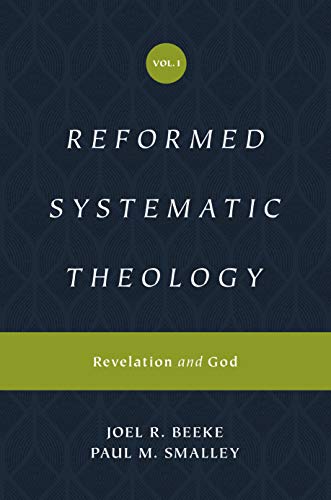
- Large, in-depth treatment across 55 chapters
- Adds study questions and suggested hymns
- Combines scholarship with practical application
Best For: Serious readers looking for a comprehensive Reformed theology reference
Best for Comfort

- Focused overview of justification by faith alone
- Covers biblical teaching and classic Reformed statements
- Compact 32-page booklet
Best For: Readers seeking a brief guide to one of the central doctrines of the Reformed faith
Prayer and Puritan Wisdom

- Explores prayer through Reformers and Puritans
- Features Luther, Calvin, Bunyan, Edwards, and more
- A practical devotional companion for Reformed readers
Best For: Readers wanting a prayer-focused Reformed theology book set addition
Core Reformed Overview

- Accessible introduction to Reformed doctrine
- Explains TULIP and key distinctives
- Addresses common misconceptions plainly
Best For: Beginners needing a straightforward Reformed theology primer
Compact Theology Primer

- Brief, reverent overview of Reformed distinctives
- Includes discussion questions and Q&A
- Good for groups, leaders, or quick reference
Best For: Anyone wanting a short, discussion-friendly Reformed overview
Classic Reformed Theology – Reformed Dogmatics (4 Volume Set)
If you want a reformed theology book set that represents classic Reformed scholarship at its fullest, this English edition of Herman Bavinck’s complete Reformed Dogmatics is the benchmark to know. It is a substantial four-volume masterwork that suits readers who want deep doctrinal study from a major theologian in the tradition.
Best For: Scholars, seminary students, pastors, and theological libraries looking for a major Reformed reference set.
Pros:
- Complete four-volume English edition of Bavinck’s Reformed Dogmatics
- Written for scholars, students, pastors, laity, and theological libraries
- Large 3,024-page set offers extensive doctrinal coverage
- Classic work of Reformed theology from a renowned theologian
Cons:
- Heavy and oversized compared with shorter study resources
- May be more than casual readers need for introductory study
- Best suited to serious, long-term theological use
This set stands out when you want a foundational reference rather than a simplified overview. Its strength is breadth and scholarly depth, making it a strong anchor for any serious Reformed theology library.
Accessible Theology Primer – Essentials of Reformed Systematic Theology
For readers seeking a reformed theology book set in a more approachable format, this abridged volume distills material from the four-volume Reformed Systematic Theology series into one streamlined guide. It keeps the emphasis on biblical, doctrinal, experiential, and practical theology while using shorter chapters and simpler language.
Best For: Busy believers, newer theology readers, and anyone who wants an accessible introduction to Reformed systematic theology.
Pros:
- Abridged from the full four-volume Reformed Systematic Theology series
- Shorter chapters, lighter footnotes, and chapter summaries improve readability
- Includes a glossary and guide to theologians from history
- Designed for a wide range of ages and education levels
Cons:
- Less detailed than the complete four-volume set
- Still substantial at 1,088 pages
- Publication date is listed as 2025, so availability may vary
This is the most approachable option in the group if you want the core themes without the density of a full technical series. It works well as a practical first step into Reformed theology.
Reformed Ethics Companion Set – Reformed Ethics Set
If your reformed theology book set needs a strong ethics component, this four-volume collection extends Herman Bavinck’s theological legacy into Christian moral life and public witness. The set brings together Reformed Ethics volumes 1–3 plus Reformed Social Ethics, making it a focused resource on duties, society, and the kingdom of God.
Best For: Serious students of Reformed theology who want a dedicated ethics and social ethics collection.
Pros:
- Complete four-volume set covering Reformed ethics and social ethics
- Includes Reformed Ethics vols. 1–3 plus Reformed Social Ethics
- Offered at a special price as a companion to Reformed Dogmatics
- Targets Christian life, society, culture, state, church, and the kingdom of God
Cons:
- Highly specialized for ethics rather than general theology
- Large and heavy physical set
- Best suited to serious study rather than casual reading
This set is a smart choice if you want to go beyond doctrine into how Reformed theology shapes Christian conduct and public life. It is especially useful alongside Bavinck’s dogmatics for a fuller theological library.
Complete Systematic Theology Series – Reformed Systematic Theology Series (4-Volume Set)
This reformed theology book set offers a full four-volume systematic theology that aims to be comprehensive without losing accessibility. Joel R. Beeke and Paul M. Smalley present central Scripture themes from biblical, doctrinal, experiential, and practical perspectives, making the series useful for study and application.
Best For: Seminary students, pastors, and Christians who want a comprehensive but readable Reformed systematic theology set.
Pros:
- Includes all four volumes of the Reformed Systematic Theology series
- Covers revelation, God, man, Christ, the Holy Spirit, salvation, the church, and last things
- Designed to be accessible for readers without academic training
- Draws extensively on historical theology in the Reformed tradition
Cons:
- Very large set at 5,216 pages total
- May still feel extensive for readers wanting only an overview
- Physical size and scope make it a commitment to purchase and use
For buyers who want breadth, practicality, and Reformed depth in one collection, this is the most complete systematic option here. It balances rigor with accessibility better than many academic sets.
Basics of the Reformed Faith – Election and Predestination
If you want a reformed theology book set that starts with one of the most discussed doctrines in the tradition, this short booklet gives a clear and simple introduction to election and predestination. It explains the biblical basis, addresses common misunderstandings, and keeps the focus on practical application.
Best For: Readers who want a concise, easy-to-follow explanation of election and predestination from a Reformed perspective.
Pros:
- Clear, simple explanation of two core Reformed doctrines
- Grounded in biblical teaching
- Includes practical application, not just theory
- Very short at 32 pages, so it is easy to finish quickly
Cons:
- Too brief for readers wanting a full-length theology treatment
- Focused on one topic rather than a broad overview
This is a strong pick if you want a small, affordable entry point into Reformed theology basics. Its brevity makes it especially useful as a starter resource or a focused companion to a larger study.
Reformed Systematic Theology – Volume 1: Revelation and God
For a reformed theology book set anchored by a major reference work, this first volume offers a comprehensive treatment of revelation and God with an accessible, experiential approach. It combines careful scholarship, engagement with Scripture, study questions, and suggested hymns, making it useful for serious study as well as devotional reflection.
Best For: Readers who want a substantial Reformed systematic theology resource that blends scholarship, application, and worship.
Pros:
- Comprehensive coverage of revelation and God across 55 chapters
- Combines exegesis, theology, and practical application
- Includes study questions and suggested hymns for response
- Interacts with church history and differing viewpoints
Cons:
- Very large at 1,312 pages
- Focuses only on the first two of the series’ eight central themes
- Likely best suited to readers ready for in-depth study
This volume is the most substantial option here and works well if you want a foundational Reformed reference rather than a brief overview. It is especially compelling for readers who value theology that engages both mind and heart.
Best for Comfort – Justification by Faith Alone
If you are building a reformed theology book set and want a concise doctrinal overview, this booklet gives a focused introduction to justification by faith alone. It looks at the biblical teaching, reviews classic Reformed statements, and answers common questions in a straightforward format.
Best For: Readers who want a short, clear explanation of justification by faith alone in the Reformed tradition.
Pros:
- Concise explanation of a core Reformed doctrine
- Examines biblical teaching and classic Reformed statements
- Answers common questions in an accessible way
- Short 32-page format is easy to read and share
Cons:
- Too brief for readers wanting a comprehensive treatment
- Limited to one doctrine rather than a broader theology survey
This is a practical pick if you want a focused booklet on one of the central truths of the Reformed faith. Its small size makes it a good companion resource alongside larger theology volumes.
Prayer and Puritan Wisdom – Taking Hold of God
If you’re building a reformed theology book set that goes beyond doctrine into devotional life, Taking Hold of God is a focused pick on prayer. It brings together six contemporary scholars to explore how Reformers and Puritans understood prayer, with coverage of figures like Luther, Calvin, Knox, Bunyan, Edwards, and Matthew Henry. The book is practical if you want a resource that connects Reformed convictions to a more informed, fervent, and effectual prayer life.
Best For: Readers who want a Reformed theology book set addition centered on prayer, Puritan insights, and devotional growth.
Pros:
- Surveys prayer through major Reformers and Puritans.
- Includes practical chapters on daily prayer, the Lord’s Prayer, and the Holy Spirit’s help.
- Grounded in respected scholarly contributions.
- Useful for personal study or church edification.
Cons:
- Focuses narrowly on prayer rather than broad theology.
- Best suited to readers already interested in Reformed and Puritan thought.
This is a strong companion volume if you want your set to include spiritual formation, not just theological overview. It’s especially useful for readers who value historical Reformed voices applied to everyday prayer.
Core Reformed Overview – What Is Reformed Theology?
If you need a clear starting point for a reformed theology book set, What Is Reformed Theology? is designed as an accessible introduction. R. C. Sproul walks readers through the foundations of Reformed doctrine, the God-centered shape of the system, its commitment to Scripture and faith in Jesus Christ, and the five points often summarized by TULIP. It’s a practical choice when you want a readable overview that explains why Reformed theology matters.
Best For: Beginners and general readers who want a straightforward introduction to the basics of Reformed theology.
Pros:
- Clear explanation of the foundations of Reformed doctrine.
- Covers the five points of Reformed theology, including TULIP.
- Accessible for readers new to the subject.
- Written to address common misconceptions and explain significance.
Cons:
- Focused on fundamentals rather than advanced theological debate.
- May be too basic for readers already familiar with Reformed distinctives.
This is the most obvious anchor title if you want an approachable theology primer in the set. It works well as the book that helps readers understand the big picture before moving into more specialized Reformed topics.
Compact Theology Primer – Reformed Theology
For a reformed theology book set that includes a shorter reference-style volume, Reformed Theology (Blessings of the Faith) offers a concise and reverent primer. It explains what makes Reformed theology distinctive, places it in historical context, and provides biblical support for the terminology and main ideas. With discussion questions and extensive Q&A, this book is especially practical for study groups, church leaders, or anyone who wants a quick but structured overview.
Best For: Readers who want a brief, discussion-friendly introduction to Reformed theology.
Pros:
- Short and easy to work through at 112 pages.
- Includes discussion questions and extensive Q&A.
- Covers historic context, biblical support, and key terminology.
- Useful as a quick reference for groups or individuals.
Cons:
- Less detailed than fuller introductory books.
- Not intended as an exhaustive treatment of Reformed theology.
This volume fits best when you want a compact supplement in the lineup rather than a deep dive. It’s a smart pick for readers who value clarity, brevity, and group-study usefulness.
How We Picked These Reformed Theology Book Sets
Our selection prioritized theological reliability, breadth of coverage, readability, and usefulness as a study tool. We also looked for sets that work well across different needs, from introductory overviews to more advanced systematic and doctrinal study.
Because a Reformed Theology Book Set can range from compact basics to multi-volume scholarship, we favored options that offer a clear learning path and strong long-term value.
Quick Comparison
In general, larger multi-volume sets are best for seminary-level study, sermon prep, and building a reference library. Smaller works and basics-focused books are better for first-time readers, small groups, or anyone wanting to understand core Reformed doctrines without a major time commitment.
Key Buying Factors for a Reformed Theology Book Set
Scope and Depth
Decide whether you want a broad overview or a detailed doctrinal framework. Systematic theology sets usually cover topics like Scripture, God, Christ, salvation, church, and last things in greater depth, while basics titles are easier entry points.
Authorial Approach
Look for confessional fidelity and a tone that matches your goal. Some readers want an academic Reformed Theology Book Set for advanced study, while others prefer a more pastoral or devotional approach.
Format and Usability
Volume count matters, but so does how the material is organized. Clear headings, strong indexes, and logical progression make a big difference when you are using these books for teaching or ongoing reference.
Audience Fit
Not every set is meant for the same reader. A pastor, layperson, and seminary student will each benefit from different levels of complexity, length, and technical detail.
Who Should Buy Which Reformed Theology Book Set?
For pastors and seminarians: Choose the more comprehensive multi-volume systematic and dogmatics options for detailed doctrinal work and sermon preparation.
For serious lay readers: A balanced Reformed Theology Book Set with strong basics and accessible explanations is often the best starting point.
For small groups or first-time readers: Shorter doctrinal introductions and topical basics books are usually the most practical choice.
For building a library: Combine a major reference set with a few focused volumes on election, justification, prayer, ethics, and the basics of Reformed belief to cover both depth and breadth.
The best choice depends on whether you want a complete reference library or a focused path into Reformed doctrine. Either way, the strongest sets will help you study carefully, compare doctrines clearly, and return to key topics whenever needed.