Choosing a systematic theology book set is about more than collecting volumes—it is about finding a resource that matches your study goals, reading level, and doctrinal depth.
Whether you want a concise introduction, a multi-volume reference work, or a structured study aid, the right set can help you learn theology more clearly and use it more consistently.
Best 10 Systematic Theology Book Set Picks for 2026
Core Evangelical Reference
Systematic Theology, Second Edition

- Updated across all 57 chapters
- Clear, Scripture-based explanations
- Practical applications for daily life
Best For: Readers wanting a widely used evangelical theology reference
Classic Puritan Theology
The Existence and Attributes of God
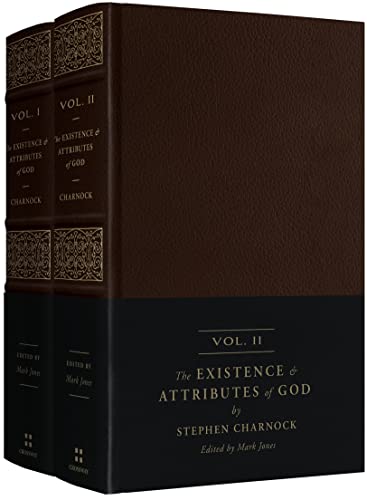
- Updated unabridged two-volume edition
- Modernized language and chapter summaries
- Deep study of God’s existence and attributes
Best For: Serious readers focused on the doctrine of God
Study Companion

- Follows Grudem’s 2nd edition structure
- Includes review and application exercises
- Built for active theological study
Best For: Students who want guided practice with Grudem
Reformed Multi-Volume Theology
Reformed Systematic Theology Series

- Four-volume set covering the whole field
- Biblical, doctrinal, and practical approach
- Strong Reformed historical theology focus
Best For: Readers wanting a comprehensive Reformed theology set
One-Year Theology Guide

- One-year daily devotional format
- Accessible coverage of major theology topics
- Includes Scripture for meditation and application
Best For: Thoughtful Christians seeking a daily introduction to systematic theology
Classic Multi-Volume Set

- Complete and unabridged in four volumes
- Scholarly resource with 2,880 pages
- Best suited for long-term study and reference
Best For: Serious readers wanting a substantial theology library
Weekly Theology Workbook
The Complete 52-Week Systematic Theology for Adults

- 52 short weekly exercises
- Plain-language workbook for adults
- Focuses on defending and explaining faith
Best For: Adults wanting a simple, practical theology workbook
Flagship One-Volume Reference
Systematic Theology: In One Volume
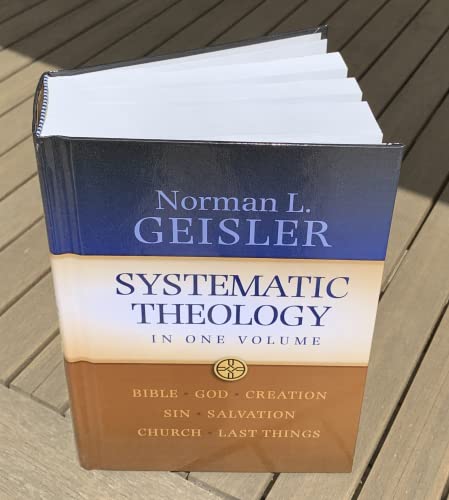
- 1,664-page single-volume theology reference
- Covers nine major divisions plus appendices
- Refined over decades of seminary teaching
Best For: Readers who want a broad, one-volume systematic theology with a defined evangelical viewpoint
Classic Multi-Volume Scholarly Set
Systematic Theology (Three Volume Set )

- Three volumes and 2,260 total pages
- Classic Eerdmans edition from 1960
- Built for deep, library-style study
Best For: Buyers seeking a traditional multi-volume theology set with substantial depth
Focused Theological Deep Dive
Systematic Theology (Volume 1)

- 487-page volume on the doctrine of God
- Blends philosophical, historical, and exegetical analysis
- Includes original material on truth and the Trinity
Best For: Readers who want a focused standalone volume on the doctrine of God
Core Evangelical Reference – Systematic Theology, Second Edition
If you want a systematic theology book set anchor for serious study, Wayne Grudem’s updated second edition is built for readers who want clear doctrine, strong biblical support, and direct application to Christian life. With revisions across all 57 chapters, it stays accessible while also addressing major contemporary theological debates.
Best For: Christians, students, and pastors who want a widely used, easy-to-follow doctrinal reference with practical application.
Pros:
- Thoroughly revised and expanded with nearly 250 pages of new content
- Clear explanations with an emphasis on Scripture’s doctrinal basis
- Includes practical applications, updated bibliographies, and contemporary worship material
- Addresses recent evangelical controversies and major doctrinal questions
Cons:
- Single-volume format may feel less expansive than a multi-volume set
- Written from a distinctly evangelical Protestant perspective
- Best suited to readers comfortable with detailed doctrinal discussion
This is a strong choice if you want a widely trusted theology reference that balances readability with depth. It works especially well as a primary doctrinal resource for both study and everyday ministry use.
Classic Puritan Theology – The Existence and Attributes of God
For buyers comparing a systematic theology book set centered on the doctrine of God, this updated two-volume edition of Stephen Charnock’s classic is a deep and carefully modernized option. It covers God’s existence and 11 attributes, with chapter summaries and updated notes that make the older work easier to use today.
Best For: Pastors, theologians, and serious readers who want a classic, Christ-focused study of God’s nature.
Pros:
- Updated and unabridged two-volume edition
- Modernized language for easier reading
- Chapter summaries help guide each discourse
- Includes extensive treatment of God’s existence and attributes
Cons:
- Highly specialized compared with general systematic theology texts
- Very large two-volume set may be more than casual readers need
- Focused on one major doctrine rather than the full scope of theology
This set is ideal if your priority is depth on the doctrine of God rather than broad topical coverage. It offers classic Puritan scholarship in a format that is more usable for modern readers.
Study Companion – Systematic Theology Workbook
Systematic Theology Workbook: Study Questions and Practical Exercises for Learning Biblical Doctrine
Check Price On AmazonIf you are buying a systematic theology book set for coursework or self-study, this workbook is designed to reinforce Wayne Grudem’s second edition with chapter-by-chapter practice. It follows the textbook structure and adds review questions, reflection prompts, and application exercises across the major doctrinal sections.
Best For: Students and self-learners who want hands-on practice alongside Grudem’s Systematic Theology.
Pros:
- Matches the structure of Grudem’s 2nd edition
- Includes review, critical thinking, and personal application sections
- Covers all major doctrine areas in a guided format
- Designed to support comprehension and retention
Cons:
- Not a standalone theology text
- Only useful if paired with the main textbook
- Focused on study and exercises rather than broad reference reading
This workbook is a smart add-on if you want structured engagement rather than just reading theology. It is especially helpful for turning doctrinal study into active learning.
Reformed Multi-Volume Theology – Reformed Systematic Theology Series
For readers seeking a systematic theology book set with broad coverage, this four-volume Reformed series offers a detailed walk through revelation, God, humanity, Christ, salvation, the church, and last things. It blends biblical, doctrinal, experiential, and practical perspectives, making it a strong fit for readers who want theology that is both rigorous and spiritually attentive.
Best For: Seminary students, pastors, and Reformed readers who want a comprehensive four-volume theology set.
Pros:
- Complete four-volume set covering the full scope of systematic theology
- Combines biblical, doctrinal, experiential, and practical perspectives
- Accessible enough for readers without formal academic training
- Draws heavily on historical theology in the Reformed tradition
Cons:
- Large commitment at over 5,000 pages total
- Strongly rooted in the Reformed tradition
- May be more than casual readers need for introductory study
This is the most expansive option in the roundup and a good pick if you want a full theology library in one set. It stands out for readers who value both doctrinal depth and practical spiritual application.
One-Year Theology Guide – Daily Doctrine
If you want a systematic theology book set experience in a single volume that is easy to keep up with, Daily Doctrine is built for steady daily study. This one-year devotional introduces major theological topics in clear, accessible readings, making it a practical fit for Christians who want to grow in doctrinal understanding without jumping into a dense academic text.
Best For: Thoughtful Christians, pastors, ministry leaders, and everyday readers who want a gentle daily path into systematic theology.
Pros:
- One-year format with daily readings that build on one another
- Covers broad topics such as God, mankind, salvation, the church, and end times
- Accessible tone designed for non-specialists
- Includes verses for meditation and application
Cons:
- Not a multi-volume reference work
- Concise readings may feel light for readers wanting deep technical detail
For buyers who want a manageable starting point rather than a shelf-filling set, this book offers a structured and readable way to engage systematic theology every day. It is especially appealing if you value consistency, clarity, and practical application over academic depth.
Classic Multi-Volume Set – Systematic Theology
If you are shopping for a systematic theology book set with substantial depth, this four-volume edition stands out as a complete and unabridged collection of the original eight volumes. It is the kind of set that suits readers who want a serious, long-form theology resource rather than a quick overview.
Best For: Readers who want a substantial, scholarly multi-volume theology library for study and reference.
Pros:
- Complete and unabridged in four volumes
- Large 2,880-page total for extended study
- Designed as a scholarly resource
- Useful as a long-term reference set
Cons:
- Very large and heavy at 9 pounds
- May be more in-depth than casual readers need
This is the strongest choice here for readers who want a traditional book-set format with extensive coverage. If your goal is depth, breadth, and a library-style theology resource, this edition is clearly built for that purpose.
Weekly Theology Workbook – The Complete 52-Week Systematic Theology for Adults
For a systematic theology book set approach that is practical and conversation-focused, this 52-week workbook keeps things simple and usable. It is designed to help adults explain what they believe with calm, clear responses, using short weekly exercises, plain language, and Scripture-based reflection.
Best For: Adults who want a beginner-friendly workbook to practice explaining and defending their faith.
Pros:
- 52 short weekly exercises that fit into a spare hour
- Plain-language instruction with no prior church background required
- Includes Scripture passages and reflection prompts
- Built around real-life faith conversations
Cons:
- More workbook than reference theology book set
- Published independently, which may matter to some buyers
- Focuses on practice and explanation rather than deep academic detail
If you want a hands-on way to learn theology rather than a dense multi-volume study, this workbook offers a straightforward path. It is a good pick for readers who want confidence in everyday conversations and prefer manageable weekly lessons.
Flagship One-Volume Reference – Systematic Theology: In One Volume
If you want a systematic theology book set experience in a single volume, this edition is built for readers who want breadth without juggling multiple books. At 1,664 pages, it brings together a wide-ranging, multi-part treatment that moves from the preconditions of theology through bibliology, theology proper, creation, humanity and sin, salvation, ecclesiology, eschatology, and appendices.
Best For: Readers who want a large, single-volume systematic theology with a broad evangelical framework and extensive scope.
Pros:
- Massive one-volume format keeps a full theology library in one place.
- Covers nine major divisions, giving it strong all-around coverage.
- Refined over decades of teaching at evangelical seminaries and colleges.
- Grounded in a clearly stated theological perspective influenced by major historic thinkers.
Cons:
- Very large at 1,664 pages, so it is not a light carry.
- The perspective is specific, so it may not fit every tradition.
- This 2021 edition adds no new content beyond minor typo fixes.
This is the strongest pick for buyers who want a serious, comprehensive systematic theology book set in a single binding. It is ideal if you value depth, structure, and a clearly articulated evangelical system.
Classic Multi-Volume Scholarly Set – Systematic Theology (Three Volume Set )
This systematic theology book set is for readers who want a substantial classic rather than a compact overview. With three volumes and 2,260 pages, it offers an expansive treatment that suits study desks, libraries, and anyone wanting a long-form theological reference.
Best For: Readers who want a classic three-volume systematic theology set with substantial depth and library-level scope.
Pros:
- Three-volume format provides room for extensive development.
- Large 2,260-page total makes it a major reference work.
- Classic Eerdmans publication with long-standing availability.
- Better suited to sustained study than a quick survey text.
Cons:
- Very heavy at 6.55 pounds, so it is not portable.
- Original publication dates to 1960, which may matter to some buyers.
- Listed details provide little description of the internal contents.
This set makes sense if you want a traditional, shelf-worthy theological resource and do not mind a larger footprint. It is the kind of systematic theology book set that works best as a long-term study companion.
Focused Theological Deep Dive – Systematic Theology (Volume 1)
If you are comparing parts of a systematic theology book set, this first volume is a focused way to start. It concentrates on the Christian doctrine of God and brings together philosophical, historical, anthropological, and exegetical analysis in a single 487-page volume.
Best For: Readers who want a strong standalone volume on the doctrine of God as part of a larger systematic theology study.
Pros:
- Focused on the doctrine of God for targeted study.
- Uses a creative mix of philosophical, historical, and exegetical analysis.
- Includes original material on truth, revelation, language about God, and the Trinity.
- Manageable compared with larger multi-volume theology sets.
Cons:
- Only volume 1, so it is not a complete theology set by itself.
- Less comprehensive than the larger one-volume and three-volume options.
- Best value depends on whether you specifically need the doctrine of God.
This is the right pick if you want a specialized volume rather than a full set all at once. It works especially well for readers who want a more concentrated and readable entry into systematic theology.
How We Picked These Systematic Theology Book Sets
We focused on sets that serve real study needs: theological accuracy, breadth of coverage, organization, and usefulness for either self-study or classroom use. We also considered whether a set is better for beginners, serious students, pastors, or readers who want a long-term reference library.
Quick Comparison: What Each Type of Set Offers
A Systematic Theology Book Set can range from a single-volume overview to a large multi-volume library. One-volume editions usually work best for first-time readers and quick reference, while four-volume or multi-volume sets usually provide deeper treatment, more citations, and stronger suitability for seminary-level study. Workbook and lesson-based editions add structure for guided learning.
Key Buying Factors for a Systematic Theology Book Set
Depth Vs. Accessibility
If you are new to theology, choose a set that explains doctrine in plain language and avoids unnecessary complexity. If you already have a biblical foundation, a fuller multi-volume set may be worth the extra space and cost.
Format and Study Style
Some readers need a reference library for sermon prep or academic work. Others want a one-year plan, weekly lessons, or workbook exercises. Match the format to how you actually study, not just to how much content is included.
Doctrinal Approach
Pay attention to the theological tradition and tone. A Systematic Theology Book Set should align with your convictions, especially if you are using it for teaching, discipleship, or church leadership.
Scope and Usability
Check whether the set balances major doctrines such as Scripture, God, Christ, salvation, the church, and last things. The best sets make it easy to find topics quickly and revisit key sections later.
Who Should Buy Which Systematic Theology Book Set?
Beginners should look for a one-volume or guided-study option that builds confidence without overwhelming detail.
Pastors and seminary students will usually benefit most from multi-volume sets with fuller argumentation and broader coverage.
Teachers, small groups, and self-learners may prefer workbook or weekly lesson formats that turn doctrine into a repeatable study plan.
Long-term reference buyers should prioritize comprehensive sets with strong organization, since these are the editions you will return to over time.
In short, the best choice is the one that fits your level, tradition, and study rhythm. If you want a Systematic Theology Book Set that will actually get used, choose for clarity, depth, and format first—and size second.