Building a reliable christian apologetics reference library is about more than collecting popular titles. The best shelves combine broad overviews, quick-answer handbooks, and deeper reference works you can return to again and again.
Whether you are studying personally, teaching others, or preparing for hard conversations, these picks help you find clear answers faster and compare evidence with confidence.
Best 10 Christian Apologetics Reference Library Picks for 2026
Reference Anchor
Baker Encyclopedia of Christian Apologetics

- 864-page reference on key apologetics issues, people, and concepts
- Covers the field from Anselm to Zen
- Built for research, lookup, and shelf use
Best For: Readers who need a broad apologetics reference volume
Introductory Guide

- Introduces the history and fundamentals of apologetics
- Covers philosophy, science, logic, reason, and history
- Useful for individual, small group, or classroom study
Best For: New and seasoned believers wanting an accessible primer
Question-Answer Handbook
Handbook of Christian Apologetics

- Provides hundreds of answers to crucial apologetics questions
- Covers topics like God, evil, miracles, resurrection, and religion
- Concise format suited to quick reference
Best For: Readers wanting a compact Q&A apologetics guide
All-in-One Guide
The Big Book of Christian Apologetics

- A to Z guide to key apologetics issues, people, and concepts
- Clarifies difficult biblical passages and philosophical ideas
- Covers contemporary issues and classic arguments
Best For: Readers wanting a broad apologetics reference for study and conversation
FAQ-Based Apologetics
77 FAQs About God and the Bible

- Covers classic and culture-driven questions about faith
- Concise, accessible answers for quick consultation
- Built from Josh and Sean McDowell’s ongoing research
Best For: Readers who want quick, practical answers to common apologetics questions
Visual Study Aid
Charts of Apologetics and Christian Evidences
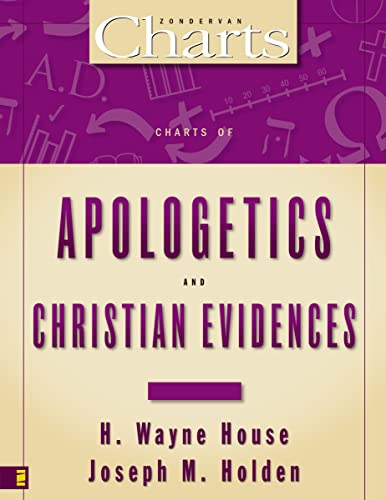
- 68 charts make key apologetics ideas easy to compare
- Covers historical, archaeological, theological, and cultural topics
- Well suited to teaching, homeschooling, and church classes
Best For: Visual learners and teachers who need a quick-reference apologetics tool
Difficult Passage Guide
The Bible Handbook of Difficult Verses

- Explains difficult Bible verses in clear, nontechnical language
- Includes key principles of interpretation for readers
- Useful for individuals, church leaders, and pastoral libraries
Best For: Anyone needing a practical guide to confusing or troubling Bible passages
Anthology-Style Reference
Christian Apologetics Primary Sources Anthology
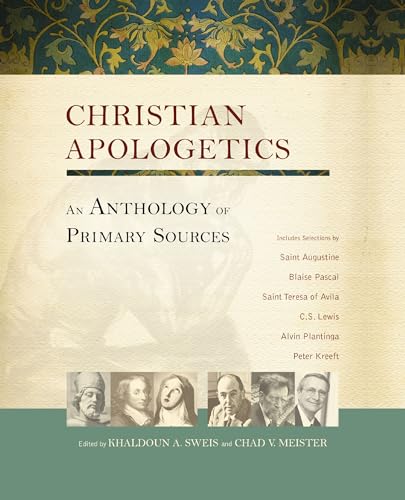
- More than fifty primary-source selections
- Thematic coverage of major apologetics questions
- Includes reading lists, bibliography, and indices
Best For: Readers who want a historically grounded apologetics sourcebook
Pocket Guide
Pocket Handbook of Christian Apologetics

- Compact 142-page reference format
- Covers major faith-and-reason questions
- Written for students and pastors alike
Best For: Beginners who want a small, quick-reference apologetics guide
Accessible Modern Guide
Why Believe: Christian Apologetics for a Skeptical Age

- Conversational and winsome presentation
- Covers God, resurrection, and faith questions
- Accessible for both believers and skeptics
Best For: Readers who want an approachable modern apologetics resource
Reference Anchor – Baker Encyclopedia of Christian Apologetics
If you want a christian apologetics reference library staple that can handle broad questions and quick lookups, this encyclopedia is built for that role. It covers key issues, people, and concepts from Anselm to Zen, making it useful when you need a single volume that reaches across the field.
Best For: Readers who want a large, topic-spanning apologetics reference with deep coverage.
Pros:
- Comprehensive coverage of key issues, people, and concepts in apologetics
- Strong for research and reference use with 864 pages
- Broad historical range from Anselm to Zen
- Fits the needs of serious study and occasional consultation
Cons:
- Large, heavy hardback-style reference volume
- Not designed as a short, introductory read
As a foundational reference, this is the kind of book that rewards keeping within reach on a shelf. It is a strong choice when your goal is dependable coverage rather than a brief overview.
Introductory Guide – Defending Your Faith
For a christian apologetics reference library that starts with the basics, this introduction is aimed at helping readers understand why Christianity is rational. It surveys the history and fundamentals of apologetics and focuses on arguments from philosophy, science, reason, logic, and history.
Best For: New and seasoned believers who want a clear apologetics primer for study or discussion.
Pros:
- Explains how reason and scientific inquiry support Christianity’s claims
- Covers the history and fundamentals of apologetics
- Addresses philosophy, science, logic, reason, and history
- Suitable for individual, small group, or classroom study
Cons:
- At 208 pages, it is more of a primer than an exhaustive reference
- Focuses on introductory foundations rather than deep topic-by-topic coverage
This is a practical pick if you want an accessible starting point before moving into larger reference works. It is especially useful for readers who need a concise, structured defense of core Christian claims.
Question-Answer Handbook – Handbook of Christian Apologetics
If you are building a christian apologetics reference library that answers real questions quickly, this handbook is designed for exactly that. It offers hundreds of answers to crucial questions and covers major topics like the existence of God, evil, miracles, the resurrection, and Christianity and other religions.
Best For: Readers who want a concise but wide-ranging apologetics question-and-answer guide.
Pros:
- Hundreds of answers to crucial apologetics questions
- Covers a wide range of major topics in faith and reason
- Known for being reasonable, concise, witty, and wise
- Useful when responding to questions from others
Cons:
- Less expansive than a full encyclopedia-style reference
- May not satisfy readers seeking in-depth treatment of every topic
This is a strong middle ground between a primer and a large reference work. It works well as a practical shelf resource when you want organized answers without a huge reading commitment.
All-in-One Guide – The Big Book of Christian Apologetics
For a christian apologetics reference library focused on broad coverage, this A to Z guide aims to equip readers to explain and defend their faith clearly. It examines nearly every key issue, person, and concept related to apologetics, while also clarifying difficult biblical passages and contemporary challenges.
Best For: Readers who want a wide-ranging apologetics guide for both study and conversation.
Pros:
- Comprehensive A to Z coverage of apologetics topics
- Clarifies difficult biblical passages
- Explains philosophical systems and concepts
- Addresses contemporary issues and challenges
Cons:
- Large 672-page volume may be more than a casual reader needs
- Reference-style structure is less streamlined than a short introduction
This is a strong choice if you want one book that can support both learning and defending your beliefs in conversation. Its broad scope makes it especially useful as a flexible reference on the shelf.
FAQ-Based Apologetics – 77 FAQs About God and the Bible
77 FAQs About God and the Bible: Your Toughest Questions Answered (The McDowell Apologetics Library)
Check Price On AmazonIf you want a christian apologetics reference library resource that answers the kinds of questions people actually ask, this FAQ-style book is a strong fit. It tackles common objections about God, suffering, hell, science, Scripture, and today’s cultural debates in a concise, accessible format that’s easy to turn to when you need a clear response fast.
Best For: Readers who want practical, everyday answers to common faith questions in a compact reference.
Pros:
- Answers both classic apologetics questions and newer cultural concerns.
- Concise, accessible presentations make it easy to use as a quick reference.
- Grounded in Josh and Sean McDowell’s ongoing research and real-life engagement with culture.
Cons:
- Focused on short answers rather than deep, technical treatment.
- Best suited to common questions, not exhaustive scholarly debate.
As a library pick, this book works well when you want a practical apologetics volume that is readable and immediately useful. It’s the kind of resource you can keep nearby for everyday conversations, study, or quick consultation.
Visual Study Aid – Charts of Apologetics and Christian Evidences
For a christian apologetics reference library that works especially well in teaching settings, this chart-based volume gives you a fast way to compare key arguments and issues. It covers historical, literary, archaeological, and theological topics, and its visual layout is designed to make facts, contrasts, and logical structures easy to grasp quickly.
Best For: Teachers, homeschoolers, church classes, and learners who prefer visual study tools.
Pros:
- 68 charts present apologetics topics in a clear, memorable format.
- Covers a wide range of issues, including truth, evil, religion, humanism, and intelligent design.
- Useful for multiple teaching and learning styles, including homeschooling and Sunday school.
Cons:
- At 144 pages, it is more of a study tool than a deep reference work.
- Those wanting extended argumentation may need supplementary books.
This is a smart reference choice if you value organization and visual clarity. It stands out as a teaching-friendly apologetics resource that helps important topics stay easy to review and remember.
Difficult Passage Guide – The Bible Handbook of Difficult Verses
If your christian apologetics reference library needs a resource for tough Bible passages, this handbook is built for exactly that task. Josh and Sean McDowell explain difficult verses in straightforward, nontechnical language, helping readers find confidence and clarity without having to sort through dense theological jargon.
Best For: Individuals, church leaders, and pastoral libraries looking for help with difficult Bible verses.
Pros:
- Simple, easy-to-access format makes consulting specific passages straightforward.
- Uses plain language to explain difficult verses and key interpretive principles.
- Designed to help readers gain assurance about Scripture and grow in understanding.
Cons:
- Specialized toward difficult verses rather than general apologetics topics.
- Readers seeking highly technical study may want a more academic companion.
This title earns a place in a reference library because it solves a very practical problem: what to do when a passage seems confusing or troubling. It is especially useful when you need a clear, trusted explanation close at hand.
Anthology-Style Reference – Christian Apologetics Primary Sources Anthology
If you want a christian apologetics reference library that lets you study the great defenders of the faith in their own words, this anthology is a strong fit. It gathers more than fifty primary-source selections across the history of apologetics, with thematic coverage of core questions like God’s existence, the Trinity, Scripture, evil and free will, and Christianity and science.
Best For: Readers, students, and pastors who want a historically grounded collection of primary apologetics texts.
Pros:
- Over fifty primary source selections from a broad Christian spectrum.
- Useful thematic organization for major apologetics topics.
- Introductions, discussion questions, and concise section headings help guide study.
- Annotated reading lists, bibliography, and author/subject indices add reference value.
Cons:
- At 560 pages, it is substantial rather than quick-reading.
- Best suited to readers who want historical sources, not just modern summaries.
This is the most library-like option in the group: broad, source-driven, and designed for deeper study and classroom use. If you need a reference volume that connects classic apologetic arguments to their historical setting, this anthology delivers that well.
Pocket Guide – Pocket Handbook of Christian Apologetics
This pocket-sized christian apologetics reference library pick is built for fast consultation and clear answers. Peter Kreeft and Ronald K. Tacelli condense major arguments for Christian belief and provide responses to common objections, making it a practical starting point for faith-and-reason questions.
Best For: Students, pastors, and beginners who want a compact apologetics handbook for quick reference.
Pros:
- Very concise at 142 pages, making it easy to carry and revisit.
- Covers a wide range of core topics, from God’s existence to the resurrection.
- Designed as a clear place to begin for people with questions about Christianity.
- Accessible format suited to students and pastors alike.
Cons:
- Brief coverage means less depth than a full handbook or anthology.
- Best for quick answers rather than extended historical study.
If you need a compact reference you can actually keep close at hand, this volume is a practical choice. It works best as a first-stop apologetics guide rather than an exhaustive library anchor.
Accessible Modern Guide – Why Believe: Christian Apologetics for a Skeptical Age
Why Believe: Christian Apologetics for a Skeptical Age (Hobbs College Library)
Check Price On AmazonFor a christian apologetics reference library that speaks in a modern, conversational voice, Why Believe is a strong contender. It offers an accessible defense of the faith for a skeptical age, addressing questions about the existence of God, Christ’s resurrection, and the practice of faith in a way that is meant to be both compelling and winsome.
Best For: Readers looking for an approachable contemporary apologetics book for strengthening belief or discussing faith with skeptics.
Pros:
- Charitable, conversational tone makes it easy to read.
- Addresses contemporary apologetics issues in an accessible way.
- Covers major topics like God’s existence and the resurrection.
- Useful for both believers and unbelievers according to the description.
Cons:
- Not as reference-heavy as an anthology or handbook.
- Focused on approachable explanation rather than exhaustive detail.
This book works well if you want a readable modern apologetics resource that can support personal study or introductory discussion. It is less encyclopedic than the anthology, but it fills a useful role for everyday engagement with skepticism.
How We Picked These Christian Apologetics Reference Library Resources
We focused on books that serve real study and ministry needs: strong doctrinal reliability, clear organization, practical usefulness, and lasting value on the shelf. The best Christian Apologetics Reference Library titles should help readers handle common objections, track down difficult passages, and move from general overview to specific question quickly.
We also favored a mix of formats so the list works for different users: encyclopedic references, FAQ-style books, concise pocket guides, charts, anthologies, and fuller classroom-friendly texts.
Quick Comparison: Which Format Fits Your Needs?
If you want a broad, one-stop reference, choose an encyclopedia or handbook. If you need fast lookup during study or discussion, a pocket guide, FAQ volume, or chart-based resource will be more efficient. If you want to understand how Christian arguments developed, an anthology of primary sources adds historical depth. For a more teaching-oriented approach, choose a book that introduces apologetic methods before moving into topic-by-topic answers.
Key Buying Factors for a Christian Apologetics Reference Library
Scope and Depth
Some readers need a compact overview, while others need a deep reference that covers Scripture, philosophy, science, history, and worldview questions. Match the book to the level of detail you will actually use.
Searchability and Layout
For a reference library, organization matters. Look for clear headings, topical entries, cross-references, charts, or FAQ formatting that make answers easy to locate under pressure.
Use Case
A seminary student, pastor, youth leader, and lay reader may all need different tools. Teaching leaders often benefit from fuller reference volumes, while everyday readers may prefer concise, accessible resources.
Historical and Evidential Balance
The strongest shelves usually mix evidence-driven works with books that explain arguments in plain language. That balance makes a Christian Apologetics Reference Library more useful for both study and conversation.
Who Should Buy Which Christian Apologetics Reference Library?
New to apologetics: Start with an introductory title or a concise handbook to build confidence before moving to denser references.
Need fast answers: Pick FAQ books, pocket guides, and charts for quick consultation and teaching prep.
Want a serious study shelf: Add an encyclopedia, a fuller handbook, and an anthology so you have both broad coverage and historical grounding.
Teaching or ministry focus: Choose resources with strong structure and accessible explanations, since they are easier to adapt for classes, small groups, and one-on-one conversations.
In practice, the best library is not just the most comprehensive one; it is the one you will reach for consistently when a question comes up.