If you want to study Scripture more closely without becoming fluent in Hebrew or Greek, a reverse interlinear Bible can be a smart bridge. It helps you trace English text back to the original-language structure, making word study and translation comparison much easier.
Below, we’ve rounded up 10 strong options for 2026, including editions for the Old Testament, New Testament, and full-Bible study. Whether you prefer a study Bible, a reference work, or a compact word-study tool, this guide will help you choose the right fit.
Best 10 Reverse Interlinear Bible Picks for 2026
Best for Hebrew Study
Hebrew-English Interlinear ESV Old Testament

- Aligns BHS Hebrew with the ESV for close comparison
- Useful for vocabulary, grammar, and translation study
- Strong fit for pastors, students, and serious OT readers
Best For: Students and serious readers who want a Hebrew-English study Bible for the Old Testament.
Best Study Companion
The Holy Bible Explained: Old Testament Guide

- Accessible Old Testament explanations
- Good for devotional and small-group use
- Practical application-focused format
Best For: Readers who want a clearer, easier way to study the Old Testament.
Best for Original-Language Study
ESV English-Greek Reverse Interlinear NT

- ESV text aligned to Greek for deeper study
- Useful for word studies and translation checks
- Great bridge for English readers learning Greek
Best For: Students, pastors, and serious readers who want New Testament study with English-to-Greek alignment.
Best for Preaching Study
NASB MacArthur Study Bible, Brown Leathersoft
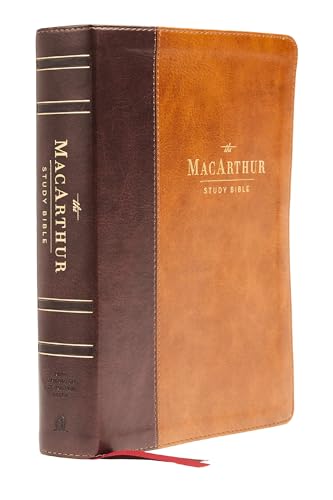
- Detailed MacArthur study notes
- Accurate NASB 1995 wording
- Comfort Print for easier reading
Best For: Pastors and serious Bible students who want a study-rich NASB for preaching and personal study.
Best for New Testament Word Studies
Interlinear for the Rest of Us

- Clear introduction to reverse interlinear concepts
- Useful for careful New Testament word studies
- Accessible for beginners and non-specialists
Best For: Students, pastors, and self-directed Bible readers learning New Testament word studies.
Best for Study Notes
NASB MacArthur Study Bible, Brown Leathersoft
- Extensive MacArthur notes for in-depth study
- NASB 1995 text in a readable Comfort Print layout
- Thumb indexed with durable Leathersoft cover
Best For: Readers who want a study-heavy NASB Bible with strong teaching notes and easy navigation.
Best for KJV Study
King James English-Greek Reverse Interlinear NT

- KJV text with Greek study support
- Good for word studies and comparisons
- New Testament-focused reference edition
Best For: KJV readers who want a Greek-assisted New Testament study aid.
Best for Word Studies
The Interlinear Bible: Hebrew-Greek-English

- Hebrew, Greek, and English shown together for comparison
- Excellent for word studies and exegesis
- Best for readers who want a print study reference
Best For: Students, pastors, and serious readers focused on original-language study.
Best for Hebrew & Greek Study
The Lexical Interlinear Hebrew/Greek KJV

- Original-language comparison for deeper study
- KJV base text suits traditional readers
- Good for teaching, sermon prep, and word analysis
Best For: Bible readers and students who want a KJV-based interlinear study Bible with Hebrew and Greek support.
Best Simple Pick
King James English-Hebrew/Greek Reverse Interlinear

- Links English words to Hebrew and Greek.
- Retains the familiar King James text.
- Ideal for word studies and sermon prep.
Best For: Bible students and serious readers who want to study the original languages from the King James text.
Best for Hebrew Study – Hebrew-English Interlinear ESV Old Testament
If you want a reverse interlinear bible that keeps the Hebrew front and center, this edition is built for close Old Testament study. It pairs Biblia Hebraica Stuttgartensia with the English Standard Version, making it useful for readers who want to compare wording, track vocabulary, and work through the text more carefully.
Best For: Students, pastors, and serious readers who want a focused Hebrew-English study Bible for the Old Testament.
Pros:
- Hebrew text and English translation are aligned for side-by-side study
- Uses the respected BHS Hebrew base text for scholarly usefulness
- Helpful for tracing wording, grammar, and translation choices
- Good fit for Old Testament language study and sermon prep
Cons:
- Only covers the Old Testament, not the full Bible
- More specialized than a typical reader’s Bible
- Not ideal if you want extensive notes or devotional extras
This is a practical choice if your goal is hands-on language work rather than a general reading edition. For buyers who need a reverse interlinear bible specifically for Hebrew study, it offers a focused and academically grounded format.
Best Study Companion – The Holy Bible Explained: Old Testament Guide
If you want a readable, study-focused resource that helps make the Old Testament easier to understand, this guide is a practical option to consider. It is a good fit for readers searching for a reverse interlinear bible-style learning aid, especially if you prefer explanation and application over a text-heavy reference format.
Best For: Newer readers, small-group participants, and anyone who wants a clearer, more approachable path into the Old Testament.
Pros:
- Breaks down Old Testament themes in an accessible, guided way
- Useful for daily devotional reading and personal reflection
- Focuses on applying biblical truth to everyday life
- Approachable for readers who want study help without overwhelm
Cons:
- Not a technical reverse interlinear bible or original-language tool
- Limited in scope if you want a full Bible-wide reference work
- May feel too introductory for advanced study users
Overall, this is better viewed as a faith-building study guide than a strict reverse interlinear bible. If your priority is clarity, encouragement, and practical understanding of the Old Testament, it can be a helpful companion.
Best for Original-Language Study – ESV English-Greek Reverse Interlinear NT
If you want a reverse interlinear bible that helps you move from the English Standard Version back to the underlying Greek text, this New Testament edition is built for that exact study workflow. It’s a practical choice for word studies, cross-checking translations, and following grammatical relationships without needing to read Greek fluently.
Best For: Students, pastors, and serious lay readers who want deeper New Testament study with English-to-Greek alignment.
Pros:
- Aligns ESV English text with the Greek New Testament for study and reference.
- Useful for word studies, parsing, and checking translation decisions.
- Helpful bridge for readers learning Greek or working from English.
- Compact New Testament format keeps the focus on practical study use.
Cons:
- New Testament only, so it won’t cover the Old Testament.
- Not a substitute for full Greek language training or a dedicated lexicon.
This is a strong reverse interlinear bible option if your priority is accurate, text-driven New Testament study rather than a feature-heavy reference library. It’s especially valuable for readers who want Greek help in a format that stays anchored to the familiar ESV.
Best for Preaching Study – NASB MacArthur Study Bible, Brown Leathersoft
If you want a study Bible that supports serious verse-by-verse work, this reverse interlinear bible choice is aimed at readers who value clarity, doctrinal notes, and a readable text layout. The NASB 1995 edition is known for its close translation style, while the MacArthur study material adds practical commentary for deeper engagement.
Best For: Pastors, teachers, and Bible readers who want a study-focused NASB with extensive notes for sermon prep or personal study.
Pros:
- MacArthur study notes provide detailed guidance for interpretation and application
- NASB 1995 text is highly regarded for accuracy and close reading
- Comfort Print helps make longer study sessions easier on the eyes
- Leathersoft binding offers a premium feel without the highest price tier
Cons:
- Heavier and bulkier than a plain reading Bible
- Study notes may be more than casual readers need
- Not the best pick if you want a minimal layout
This is a strong option if your priority is study depth over simplicity. For shoppers comparing a reverse interlinear bible with extra commentary and a durable format, it offers a solid balance of readability, scholarship, and everyday usefulness.
Best for New Testament Word Studies – Interlinear for the Rest of Us
Interlinear for the Rest of Us: The Reverse Interlinear for New Testament Word Studies
Check Price On AmazonIf you want a reverse interlinear bible resource that helps you dig into New Testament Greek without overwhelming jargon, this book is a smart, practical choice. It is geared toward everyday readers who want to understand how word studies work, how interlinear tools are used, and where common interpretation mistakes happen.
Best For: Students, pastors, and self-directed Bible readers who want a clear introduction to New Testament word studies.
Pros:
- Explains reverse interlinear concepts in plain, accessible language.
- Helps readers use word-study tools more responsibly and confidently.
- Focused on New Testament study, so it stays relevant to the intended use.
Cons:
- Not a full reference grammar or advanced Greek textbook.
- Best suited to the New Testament rather than broader Bible languages.
For readers who want a reverse interlinear bible resource that emphasizes clarity over complexity, this title offers a useful middle ground. It is especially helpful if you are building study habits and want to avoid misusing word-study tools while reading the New Testament.
Best for Study Notes – NASB MacArthur Study Bible, Brown Leathersoft
If you want a study Bible that pairs a readable NASB text with extensive teaching notes, this MacArthur edition is a strong fit. It’s a practical choice for readers who value verse-by-verse help and a layout that supports serious Bible study, especially if you’re comparing it to a reverse interlinear bible for deeper language study.
Best For: Readers, students, and teachers who want dense study notes alongside the NASB text in a durable leatherette format.
Pros:
- Extensive MacArthur study notes add context and explanation throughout
- NASB 1995 text is favored by many for accuracy and close translation style
- Thumb indexing and Comfort Print improve navigation and readability
- Brown Leathersoft binding offers a more premium, giftable feel
Cons:
- Heavier and bulkier than a simple reader’s Bible
- Study-note layout may feel crowded for casual reading
- Not a substitute for a reverse interlinear bible if you need original-language tools
Overall, this is best for buyers who want a robust study resource rather than a lightweight carry Bible. If your goal is guided reading with commentary in hand, it’s a compelling alternative to a reverse interlinear bible, though it serves a different kind of study need.
Best for KJV Study – King James English-Greek Reverse Interlinear NT
If you want a reverse interlinear bible that keeps the classic wording of the King James Version while adding Greek-language support, this New Testament volume is built for focused study. It’s a practical pick for readers who want to trace original-language meaning without leaving a familiar KJV text behind.
Best For: KJV readers, pastors, students, and self-study users who want a Greek-assisted New Testament reference.
Pros:
- Pairs KJV English with reverse interlinear Greek study help
- Useful for word studies and original-language comparisons
- Stays anchored to the familiar King James text
Cons:
- New Testament only, so it won’t cover the full Bible
- Best suited to study use rather than casual reading
This reverse interlinear bible is a strong fit if your priority is combining KJV familiarity with Greek study tools in one reference edition. It’s especially helpful for readers who want a straightforward bridge into deeper New Testament analysis.
Best for Word Studies – The Interlinear Bible: Hebrew-Greek-English
If you want a reverse interlinear bible that lets you trace the original Hebrew and Greek alongside the English text, this classic reference edition is built for careful study. It’s especially useful when you want to compare wording, check transliterations, and see how the original languages map to an English translation without constantly switching tools.
Best For: Students, pastors, and serious readers who want a study Bible focused on original-language comparison and verse-by-verse analysis.
Pros:
- Displays Hebrew, Greek, and English in a study-friendly interlinear format
- Helpful for word studies, translation comparison, and deeper exegesis
- Strong reference choice for readers who prefer print over software
Cons:
- Not ideal for casual devotional reading
- Can feel dense if you do not know the original languages
For buyers who want a dependable reverse interlinear bible for serious language study, this edition stands out more for depth than convenience. It’s a practical pick when your priority is understanding the text behind the English translation, not just reading straight through.
Best for Hebrew & Greek Study – The Lexical Interlinear Hebrew/Greek KJV
If you want a reverse interlinear bible that helps you compare English text with the underlying Hebrew and Greek, this Lexical Interlinear edition is built for serious study. It pairs the King James Version with original-language references, making it useful for word studies, sermon prep, and closer textual comparison.
Best For: Bible readers, students, and teachers who want a KJV-based study aid with Hebrew and Greek interlinear support.
Pros:
- Supports original-language comparison for deeper word study
- KJV base text is familiar to many traditional readers
- Helpful for study sessions, teaching prep, and verse analysis
- Useful reference format for those learning biblical languages
Cons:
- Not as easy to use as a plain English Bible for casual reading
- May feel dense for beginners without language-study background
Overall, this is a practical reverse interlinear bible if your priority is study depth rather than readability alone. It fits best when you want a reference Bible that keeps the KJV while opening the door to original-language insight.
Best Simple Pick – King James English-Hebrew/Greek Reverse Interlinear
If you want a reverse interlinear bible that helps you trace English text back to the original Hebrew and Greek, this King James edition is built for careful study rather than casual reading. It’s a strong fit for readers who want to compare word usage, grammar, and translation choices while staying in the familiar KJV format.
Best For: Bible students, teachers, and serious readers who want an original-language study tool centered on the King James text.
Pros:
- Connects English words to Hebrew and Greek for deeper study.
- Keeps the traditional King James Bible wording for familiar reading.
- Useful for word studies, cross-checking translations, and sermon prep.
Cons:
- Not the best choice if you want a lightweight devotional Bible.
- Can feel complex for beginners new to original-language tools.
Overall, this reverse interlinear bible is most valuable when you want KJV readability with study depth layered underneath. If your priority is detailed language analysis rather than a simple reading edition, it’s a practical and focused choice.
How We Picked These Reverse Interlinear Bible Options
We focused on editions that help readers connect English text with Hebrew and Greek in a practical, study-friendly way. Priority went to clear formatting, strong usefulness for word study, reputable translations or source texts, and formats that support either serious personal study or classroom use. We also looked for a mix of New Testament, Old Testament, and broader reference options so buyers can match the book to their study goals.
Quick Comparison
Not every Reverse Interlinear Bible serves the same purpose. Some are best for New Testament word studies, while others are more reference-oriented and cover both testaments or pair with study Bible notes. If you want to work verse by verse in the Greek New Testament, choose a focused NT edition. If you want broader coverage, an interlinear or lexical-style Bible may be more useful. For readers who value commentary alongside the text, a study Bible format can offer more guidance without replacing the original-language tools.
Key Buying Factors for a Reverse Interlinear Bible
Scope: Old Testament, New Testament, or Both
Start by deciding what you actually need. A New Testament reverse interlinear is often the most affordable and manageable choice for most readers. Old Testament and full-Bible options are better if your study frequently moves between Hebrew and Greek, but they can be bulkier and more expensive.
Translation and Base Text Alignment
Pay attention to which English translation is paired with which original-language text. A Reverse Interlinear Bible works best when the alignment is clear and consistent, especially if you are comparing wording, grammar, or sentence structure. If you already trust a specific translation such as ESV, NASB, or KJV, it can be easier to stay within that ecosystem.
Layout and Readability
Some editions emphasize dense scholarly data, while others are designed for everyday use. Large print, Comfort Print, indexing, and clean visual spacing can make a big difference if you study for long sessions. If the page is too crowded, the tool becomes harder to use, even if the underlying content is strong.
Study Features and Extra Helps
Reference notes, lexical information, and study Bible commentary can add value, but they are not the same as a pure Reverse Interlinear Bible. Decide whether you want a tool focused on original-language access or one that also explains theology and interpretation. More features are not always better if your goal is direct text study.
Who Should Buy Which Reverse Interlinear Bible?
If you are new to original-language study, a New Testament Reverse Interlinear Bible is usually the best starting point. If you want to build vocabulary and follow word roots more closely, a lexical or interlinear reference edition may be a better fit. For pastors, teachers, and serious students, a study Bible paired with reverse interlinear features can provide a useful balance of depth and readability. If you mainly want to compare English translation to Hebrew or Greek without a lot of extra commentary, choose the most text-focused option available.
In short, the best Reverse Interlinear Bible for you is the one that matches your study scope, preferred translation, and tolerance for detail. Prioritize clarity first, then choose the deepest tool you’ll actually use consistently.