The right desktop speaker stand can improve listening angle, reduce unwanted vibration, and help small monitors perform more consistently on a desk. The best choice depends on your speaker size, available space, preferred height, and how much adjustment you need.
We compared 10 compact isolation stands and risers for desktop speakers, including angled foam pads, silicone stands, adjustable IsoAcoustics models, and taller bookshelf-speaker platforms.
Best 10 Speaker Isolation Stands for Desktop Picks for 2026
Best Compact Tilt
Audioengine DS1 Desktop Speaker Stands
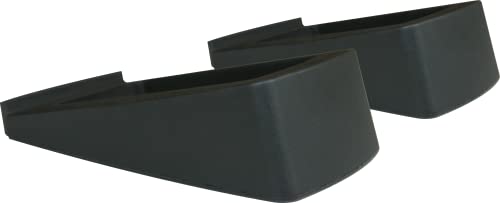
- 15-degree angled silicone stands
- Supports small speakers up to 8 pounds
- Pair included with three-year warranty
Best For: Compact computer, gaming, and small bookshelf speakers
Best Foam Versatility
SMPad 4 Monitor Isolation Pads

- High-density acoustic foam construction
- Supports speakers up to 16 pounds
- Multiple angle configurations
Best For: Small studio monitors and bookshelf speakers
Best for Larger Bookshelf Speakers
Audioengine DS2 Desktop Speaker Stands

- 15-degree angled rubber isolation stands
- Designed for 4- to 7-inch speakers
- Pair included with three-year warranty
Best For: Larger desktop bookshelf speakers up to 8 pounds
Best Low-Profile Metal Stand
Kanto S2 Tilted Speaker Stands
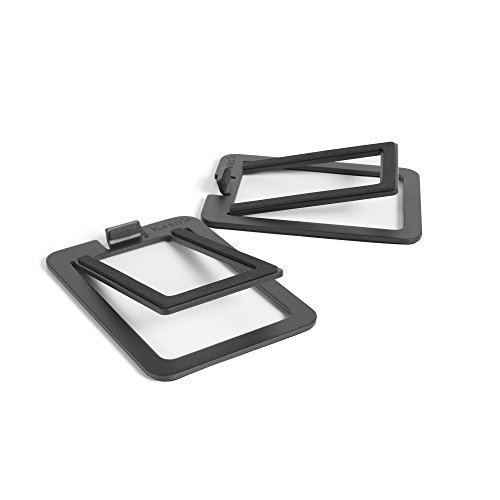
- 16-degree angled metal stands
- Foam padding helps reduce resonance
- Supports up to 6 pounds per stand
Best For: Compact 2- to 3-inch desktop speakers
Adjustable Compact Isolation
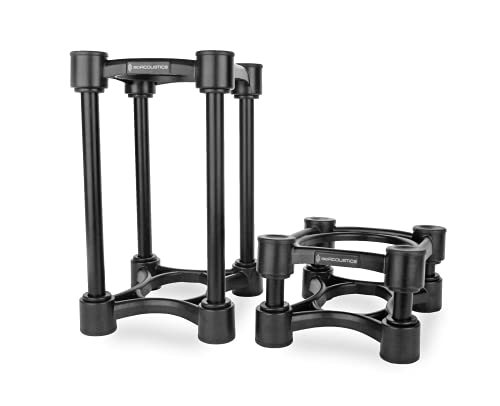
- 14 height and tilt combinations
- 2.8–8.25-inch height range
- 20-pound capacity; pair included
Best For: Small desktop monitors needing flexible positioning
Rising Cable-Ready Stand

- 9-inch fixed desktop height
- Two top-plate sizes included
- 30-pound capacity with cable routing
Best For: Small monitors needing clean cable management
Heavy-Duty Adjustable Isolation

- 40-pound speaker capacity
- 14 height and tilt combinations
- 6.1-by-7.5-inch support footprint
Best For: Larger desktop monitors needing sturdy adjustment
Best Heavy-Duty Pick
suptek Universal Desktop Speaker Stands

- Pair of 6.1-inch steel stands
- 44-pound load capacity per stand
- Anti-slip mats and lifetime warranty
Best For: Larger or heavier desktop speakers
Best Compact Tilted Pick
Monoprice Small Speaker Wedge Stands

- 15-degree angled wedge design
- Thermoplastic rubber anti-vibration material
- Made for small-sized speakers
Best For: Compact desks and small speakers
Best for Medium Monitors
Monoprice Medium Speaker Wedge Stands

- Fits standard 5-inch-and-larger speakers
- 15-degree tilt for directional positioning
- Low-profile 2.25-inch rubber wedges
Best For: Medium bookshelf speakers and studio monitors
Best Compact Tilt – Audioengine DS1 Desktop Speaker Stands
If you need speaker isolation stands for desktop use with small computer or gaming speakers, the Audioengine DS1 offers a compact silicone platform with a 15-degree tilt. It is designed to reduce vibration and aim sound more directly toward your listening position.
Best For: Small 2- to 3-inch speakers weighing up to 8 pounds.
Pros:
- 15-degree angle helps direct higher frequencies toward the listener.
- Silicone construction helps dampen vibration.
- Compact 3.75-by-6.25-inch base fits many desktop setups.
- Includes a pair and comes with a three-year warranty.
Cons:
- Limited to speakers in the 2- to 3-inch range.
- Its low-profile design provides modest elevation.
The DS1 is a practical choice when you want angled positioning and basic isolation without adding much bulk to a desk.
Best Foam Versatility – SMPad 4 Monitor Isolation Pads
For speaker isolation stands for desktop setups that prioritize broad compatibility and adjustable positioning, the SMPad 4 uses high-density acoustic foam. Its configurable angles can help you position small studio monitors or bookshelf speakers toward your listening position.
Best For: 3- to 4.5-inch speakers weighing up to 16 pounds.
Pros:
- High-density 50 kg/m³ acoustic foam helps dampen unwanted resonance.
- Supports up to 16 pounds without changing shape.
- Multiple configurations provide flexible angle options.
- Pair includes one pad for each speaker.
Cons:
- Foam pads provide less rigid support than metal stands.
- The 6.3-by-8-inch footprint may use more desk space.
The SMPad 4 stands out for users who want generous weight capacity and flexible placement for common compact monitors and bookshelf speakers.
Best for Larger Bookshelf Speakers – Audioengine DS2 Desktop Speaker Stands
The Audioengine DS2 is a larger option among speaker isolation stands for desktop use, with a rubber platform intended for bookshelf speakers. Its 15-degree tilt combines directional positioning with vibration damping for a cleaner, more controlled desktop setup.
Best For: Bookshelf speakers measuring about 4 to 7 inches and weighing up to 8 pounds.
Pros:
- 15-degree tilt aims sound toward the listening position.
- Rubber construction helps minimize vibration.
- Larger 5-by-7.75-inch dimensions suit bigger speakers than the DS1.
- Includes two stands and a three-year warranty.
Cons:
- Uses more desktop space than compact speaker stands.
- Its listed load capacity is limited to 8 pounds.
Choose the DS2 when your speakers are too large for compact desktop wedges but still fit within its stated size and weight limits.
Best Low-Profile Metal Stand – Kanto S2 Tilted Speaker Stands
The Kanto S2 is a low-profile choice for speaker isolation stands for desktop use, pairing a 16-degree tilt with solid metal construction. Foam padding on both sides helps stabilize compatible small speakers while reducing undesirable resonance.
Best For: Compact 2- to 3-inch speakers weighing up to 6 pounds each.
Pros:
- 16-degree tilt directs sound toward the listener.
- Solid metal construction provides a stable platform.
- Foam padding on the top and bottom helps reduce resonance.
- Compact, minimalist footprint keeps the desktop uncluttered.
Cons:
- Lower 6-pound-per-stand capacity limits speaker selection.
- Designed for compact speakers rather than larger bookshelf models.
The S2 is a strong fit for tidy desktop systems where stable metal support, modest isolation, and a clean low-profile appearance matter most.
Adjustable Compact Isolation – IsoAcoustics Iso-130
The IsoAcoustics Iso-130 is a compact option for anyone comparing speaker isolation stands for desktop setups. Its adjustable height and tilt help position smaller monitors toward ear level while the isolation design helps reduce vibrations transferred through the desk.
Best For: Small desktop monitors and listeners who want flexible height and tilt adjustment.
Pros:
- Offers 14 height and tilt combinations, with low and tall settings from 2.8 to 8.25 inches.
- Supports speakers up to 20 pounds per the supplied specifications.
- Designed to reduce desk-borne vibration and internal reflections for clearer stereo imaging.
- Includes a pair of stands.
Cons:
- The 5.1-by-6-inch platform and 20-pound capacity may not suit larger monitors.
- Its adjustment system may be more than needed for a simple fixed stand.
The Iso-130 is a strong fit when precise monitor positioning matters as much as isolation. Check your speaker footprint and weight before choosing this compact model.
Rising Cable-Ready Stand – Kanto SP9
The Kanto SP9 is a practical choice among speaker isolation stands for desktop use, especially for small and medium bookshelf speakers or compact studio monitors. Its 9-inch height raises speakers toward ear level, while foam padding and heavy steel help limit resonance.
Best For: 3- to 4-inch speakers and users who want cable routing with a clean desktop appearance.
Pros:
- Heavy steel construction and closed-cell foam padding help absorb speaker resonance.
- Two top-plate sizes are included for different speaker footprints.
- Top plates rotate up to 15 degrees left or right for easier aiming.
- Hollow columns provide a route for speaker cables, and the stands support up to 30 pounds.
Cons:
- The fixed 9-inch height offers less adjustment than the IsoAcoustics models.
- The stand is aimed at small and medium speakers, so larger cabinets may not fit comfortably.
The SP9 emphasizes straightforward elevation, cable management, and broad compatibility through its two top plates. It is a sensible desktop pick when you prefer a fixed-height stand with some aiming flexibility.
Heavy-Duty Adjustable Isolation – IsoAcoustics Iso-155
The IsoAcoustics Iso-155 is a larger, higher-capacity option for speaker isolation stands for desktop setups. It combines 14 height and tilt configurations with a 40-pound capacity, making it suitable for monitors that need a broader support surface and more substantial load rating.
Best For: Larger desktop monitors and users who need adjustable positioning with higher weight capacity.
Pros:
- Supports up to 40 pounds and provides a 6.1-by-7.5-inch support footprint.
- Offers 14 height and tilt variations, from a 3-inch low setting to an 8.25-inch tall setting.
- Designed to manage speaker energy, reduce surface vibration, and limit internal reflections.
- Includes two stands and comes with a two-year warranty.
Cons:
- The larger footprint may occupy more desk space than the Iso-130.
- It may be oversized for very small speakers.
The Iso-155 is the better match when speaker size and weight call for more support than a compact stand provides. Its adjustable design also helps fine-tune tweeter height and listening angle.
Best Heavy-Duty Pick – suptek Universal Desktop Speaker Stands
If you need speaker isolation stands for desktop setups that also provide substantial support, the suptek SDM003MB pair combines a 6.1-inch lift with a spacious 7.9-by-6.5-inch platform. Its steel construction, anti-slip mats, and powder-coated finish suit desktop speakers, studio monitors, gaming systems, and home audio setups.
Best For: Users who want sturdy, elevated stands for larger or heavier desktop speakers.
Pros:
- Includes two stands for balanced stereo positioning.
- Supports up to 44 pounds per stand.
- 6.1-inch elevation can improve speaker positioning and sound projection.
- Anti-slip mats help limit movement, and assembly is designed to take about 10 minutes.
Cons:
- The relatively large 7.9-by-6.5-inch footprint may use considerable desk space.
- The fixed 6.1-inch height offers less positioning flexibility than an adjustable stand.
Choose the suptek if stability and load capacity matter more than a minimal footprint. It is the most substantial option here, with a lifetime warranty listed in the product details.
Best Compact Tilted Pick – Monoprice Small Speaker Wedge Stands
For small speakers and limited desk space, these Monoprice speaker isolation stands for desktop use provide a compact wedge design with a 15-degree tilt. The thermoplastic rubber construction is intended to offer anti-vibration support while keeping the setup neat and easy to position.
Best For: Small-sized speakers on compact desks where angled placement is useful.
Pros:
- Pair of stands provides a straightforward stereo setup.
- 15-degree tilt helps angle speakers toward the listening position.
- Thermoplastic rubber construction provides anti-vibration support.
- Designed for quick installation in limited desktop space.
Cons:
- Intended for small-sized speakers rather than larger monitors.
- The wedge design does not provide height adjustment.
- The listed one-year warranty is shorter than the suptek model’s listed warranty.
This pair is a practical choice when you want angled, vibration-conscious placement without adding tall stands to your desk. Confirm that your speakers fit the small-sized design before buying.
Best for Medium Monitors – Monoprice Medium Speaker Wedge Stands
These Monoprice speaker isolation stands for desktop setups are sized for medium speakers and use a 15-degree rubber wedge to angle sound toward the listener. Measuring 7.75 by 4.75 by 2.25 inches, the pair is designed for standard 5-inch-and-larger bookshelf speakers and studio monitors while conserving desk space.
Best For: Standard 5-inch-and-larger bookshelf speakers and studio monitors.
Pros:
- Designed specifically for medium-sized speakers.
- 15-degree tilt can improve speaker aiming and listening position.
- Rubber construction provides anti-vibration support.
- Compact 2.25-inch height fits limited desktop space.
Cons:
- The fixed wedge angle provides no height or tilt adjustment.
- Its 4.75-inch base width may not support every speaker footprint.
- The one-year warranty is relatively limited.
If your speakers are larger than the small Monoprice model supports but you still want a low-profile riser, this medium version is the more suitable fit. Check your speaker dimensions against the 7.75-by-4.75-inch stand size.
How We Picked the Best Speaker Isolation Stands for Desktop
We focused on stands designed for nearfield desktop use, prioritizing isolation, stability, fit, listening-angle control, and practical desk space. The selection includes foam, silicone, rubber, and mechanically adjustable designs so you can match the stand to your speakers and setup. We also considered stated weight limits, platform dimensions, height, tilt options, and whether each pair is intended for compact monitors or larger bookshelf speakers.
Because desktop environments vary widely, no single stand is ideal for everyone. A low angled stand may be best for a small computer-speaker setup, while a taller adjustable platform can better position monitors behind a keyboard or large display.
Quick Comparison
- Best for compact speakers: Audioengine DS1, Kanto S2, and Monoprice small-speaker wedges.
- Best for simple silicone isolation: Audioengine DS2.
- Best for adjustable positioning: IsoAcoustics Iso-130 and Iso-155.
- Best for added height: Kanto SP9 and suptek 6.1-inch stands.
- Best for larger desktop monitors: Kanto SP9, Iso-155, and the Monoprice medium-speaker model.
Key Buying Factors for Speaker Isolation Stands for Desktop Use
Speaker Size and Weight
Measure the speaker footprint and compare it with the stand’s platform dimensions. The support surface should provide a stable base without allowing the cabinet to overhang excessively. Check the weight rating for each pair, especially with heavier bookshelf speakers.
Height and Listening Angle
Desktop speakers often sit too low, directing sound toward your chest instead of your ears. Tilted wedges can improve alignment inexpensively, while taller stands raise tweeters above desk clutter. Adjustable models offer more precise height and angle control but usually cost more and occupy more space.
Isolation Material and Stability
Foam, silicone, rubber, and multi-part isolation systems can all reduce cabinet-to-desk vibration when properly matched to the speaker. Look for a broad, stable base and enough grip to prevent sliding. Isolation should not come at the expense of wobble, particularly on smooth or crowded desks.
Desk Space and Cable Clearance
Check the stand’s width, depth, and height before buying. A tall platform may improve positioning but can interfere with monitor stands, shelves, or wall-mounted displays. Leave enough room for power and audio cables to bend without pressing against the speaker.
Who Should Buy Which Speaker Isolation Stands for Desktop?
Choose compact angled foam or silicone stands if you use small desktop speakers and mainly want better aiming with minimal height. The Audioengine and Kanto compact options suit tidy computer desks and smaller monitors. Select a taller fixed riser if your speakers need to clear a display, keyboard, or desk accessories. For larger monitors or bookshelf speakers, prioritize a wider platform and higher weight capacity, such as the Kanto SP9, Iso-155, or a comparable medium-speaker stand. If you frequently change seating position or speaker placement, adjustable IsoAcoustics stands are the most flexible choice.